 Safekipedia
Crown of Castile
Adapted from Wikipedia · Adventurer experience
The Crown of Castile was a medieval polity in the Iberian Peninsula. It started in 1230 when King Ferdinand III joined the kingdoms of Castile and León. This made a strong and important part of Spain.
In 1492, something very important happened. That year, Christopher Columbus sailed and found the Americas. This opened new lands for Spain and changed the world. Castile helped explore and claim many places, like the Aztec Empire, the Inca Empire, and the Philippines. These adventures made Castile very powerful in the 16th century.
Even after Castile joined with Aragon in 1469, rulers like Charles I still used the title “King of Castile.” In the early 1700s, more changes happened to bring Castile and Aragon closer together. These changes helped create the country we now know as Spain.
History
The Crown of Castile started when two kingdoms, León and Castile, joined together in 1230. This happened when Ferdinand III, the king of Castile, also became king of León. This made one stronger kingdom in the middle of the Iberian Peninsula.
Over time, the Crown of Castile grew bigger. It took over more lands, including parts of what is now southern Spain. In 1469, the crowns of Castile and Aragon joined together when Isabella I of Castile married Ferdinand II of Aragon. This marriage helped bring more unity to Spain.
One important event was in 1492, when Christopher Columbus sailed west and found new lands. This started Spain’s role in exploring and ruling parts of the world, changing history forever. The leaders of Castile and Aragon worked together to support these trips and manage the new places they found.
Spanish territorial divisions within the Crown of Castile
The Crown of Castile was made up of several regions and kingdoms that joined together under one ruler. These areas included parts of modern-day Spain, such as Castile-León, Castile-La Mancha, and Extremadura. Each of these places kept some of their own traditions and laws, but they were all led by the same king.
Over time, the lands of the Crown of Castile grew through battles and agreements with nearby areas. This brought many different cultures and people together under one kingdom, shaping the history and culture of the Iberian Peninsula.
| Name | Type of entity | Integration |
|---|---|---|
 Castile Castile | Kingdom | 1230 |
 León León | Kingdom | 1230 |
 Galicia Galicia | Kingdom | 1230 |
 Toledo Toledo | Kingdom | 1230 |
 Asturias Asturias | Principality | 1230 |
 Álava Álava | Lordship | 1230 |
 Guipúzcoa Guipúzcoa | Lordship | 1230 |
 Córdoba Córdoba | Kingdom | 1236 |
 Jaén Jaén | Kingdom | 1246 |
 Seville Seville | Kingdom | 1248 |
 Murcia Murcia | Kingdom | 1258 |
 Biscay Biscay | Lordship | 1370 |
 Canaries Canaries | Kingdom | 1479 |
 Granada Granada | Kingdom | 1492 |
 Indies Indies | Kingdom | 1492 |
 Indies Indies | Viceroyalty | 1492 |
 New Spain New Spain | Viceroyalty | 1521 |
 Perú Perú | Viceroyalty | 1542 |
 Santo Domingo Santo Domingo | Kingdom (Overseas) | 1526 |
| México | Kingdom (Overseas) | 1527 |
 Tierra Firme Tierra Firme | Kingdom (Overseas) | 1538 |
| Lima | Kingdom (Overseas) | 1542 |
 Guatemala Guatemala | Kingdom (Overseas) | 1543 |
 New Galicia New Galicia | Kingdom (Overseas) | 1548 |
 New Granada New Granada | Kingdom (Overseas) | 1549 |
 Charcas Charcas | Kingdom (Overseas) | 1559 |
 Quito Quito | Kingdom (Overseas) | 1563 |
 Chile Chile | Kingdom (Overseas) | 1565 |
 Philippines Philippines | Kingdom (Overseas) | 1584 |
 Buenos Aires Buenos Aires | Kingdom (Overseas) | 1661 |
Images
Related articles


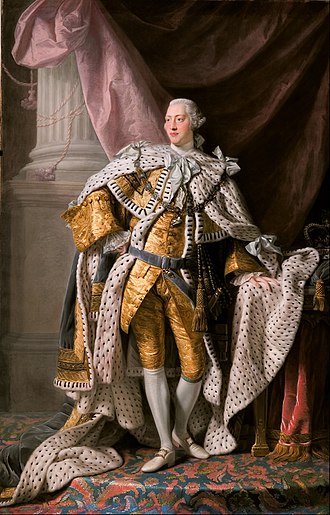


This article is a child-friendly adaptation of the Wikipedia article on Crown of Castile, available under CC BY-SA 4.0.
Images from Wikimedia Commons. Tap any image to view credits and license.