 Safekipedia
Ecotourism
Adapted from Wikipedia · Adventurer experience
Ecotourism
Ecotourism is a special kind of travel focused on nature. It helps protect the environment and teaches people about caring for our planet.
Since the 1980s, many people who care about the environment have seen ecotourism as a good way to help nature. Groups that offer ecotourism often support conservation projects or use methods that are gentle on the environment. However, some say true ecotourism is rare, as many activities still use the same travel methods as regular tourism, such as air transportation.
Unlike travel focused on rocks and landforms, ecotourism is about experiencing living parts of nature. It helps people appreciate natural homes of plants and animals and the cultures of local communities. Good ecotourism tries to reduce harm to the environment and support local people by encouraging things like recycling, saving energy, and conserving water.
Risks and benefits
Ecotourism is a part of sustainable tourism. It tries to help nature and support the people and cultures living near ecotourism spots.
Ecotourism can have good and bad effects. It might sometimes hurt the environment or make life harder for local people, like raising prices. Travelers can also bring germs to places that are sensitive. But ecotourism can also help protect nature, create jobs, and support local cultures. By following good rules, the good effects can be encouraged while the bad ones are reduced.
Terminology and history
Ecotourism is a word made by joining "eco-" and "tourism". We first used it in 1973, and the word “ecotourism” appeared in 1982. Some think it was used even earlier.
Ecotourism means visiting places with special nature, like forests or mountains, to learn about and help protect these areas. It should help both nature and the local community. But sometimes, people use the word for any trip to nature, which can be confusing. Some businesses may call themselves eco-friendly without really helping the environment.
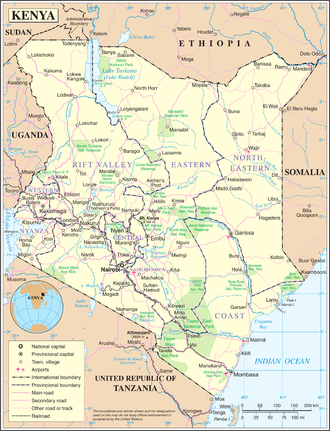
Many ecotourists come from the United States, Western Europe, Canada, and Australia. Countries like Costa Rica, Australia, Kenya, Estonia, and Sweden have special programs to certify true ecotourism.
Improving sustainability
Ecotourism in land and water areas can help protect nature. It needs careful planning. Good ecotourism protects animals and their homes. It also helps teach local communities and leaders. Money from ecotourism should help the environment.
Some tour companies may harm nature but still call themselves ecotourism. To stop this, some people want global standards to certify ecotourism companies.
Many places have their own ways to certify ecotourism. For example, Costa Rica checks how well companies care for nature and help local communities.
Tour guides help teach ecotourists to protect the environment. In Costa Rica’s Tortuguero National Park, tour guides help protect beaches used by endangered sea turtles.
Small, local ecotourism businesses are often better for the environment and local communities. They can help create jobs and keep money in the local economy. But they sometimes need help to get started.
Natural resource management
Natural resource management helps protect the environment and supports ecotourism. Many places have rich natural resources, but human activities can harm these areas and make animals and plants disappear. Ecotourism programs aim to save these resources by using them carefully and planning well. Many groups, including scientists and nonprofit organizations, work on these efforts.
In places like Kurseong in West Bengal, there are many plants and animals, but regular tourism can damage these areas. Researchers from Jadavpur University are studying how to use ecotourism to protect these natural resources. In Southeast Asia, governments, organizations, teachers, and businesses work together to help local villages benefit from tourism. The South-East Asian Tourism Organization (SEATO) brings these groups together to talk about protecting resources.
In 2008, a group of organizations created the Global Sustainable Tourism Criteria. These rules suggest good planning, helping local communities, and reducing harm to culture and nature. However, there is no group to enforce these rules or give punishments for not following them.
Impact on indigenous people and indigenous land
When Indigenous lands are used for ecotourism, it can help protect these areas from being cut down for trees or other uses. This can bring money to Indigenous communities, which is helpful for them.
But there are challenges. Sometimes, big companies make money from these lands without sharing it fairly with the local people. Also, if not managed carefully, building too many places for tourists can harm the land and wildlife. Indigenous people may lose their homes or feel unhappy with changes if they are not included in decisions about ecotourism. Proper planning is important to make sure the benefits reach the local communities and the land is protected.
Criticism
Definition
Ecotourism means different things to different people, which can cause confusion. Some people think it is travel that helps protect nature and teaches about the environment. Others think it is just any kind of travel in nature. These different ideas can lead to debates, especially when some tourism projects claim to be eco-friendly but still harm the environment.
Negative impact
Ecotourism is growing quickly, but many projects do not follow the true rules of ecotourism. Some places focus more on making money than on protecting nature. This can hurt the environment and local communities. For example, in some areas, important plants are removed because tourists do not like them.
Companies sometimes do not tell the whole story about how their projects affect the environment to keep making money. Travel to these places can also create pollution from airplane fuel and waste that ends up in water. In some areas, ecotourism has caused more people to move in, which can damage local nature.
Direct environmental impacts
Ecotourism can sometimes hurt the nature it tries to protect. Building places like lodges and water treatment plants can use up local resources and lead to deforestation. Even a small number of visitors can damage trails and wildlife homes. In places like Nepal, hiking trails have become so worn that they hurt the soil and plants. Wildlife can also be disturbed by tourists, changing their behavior.
Environmental hazards
Ecotourism can make bigger environmental problems worse, like deforestation, pollution, and damage to natural systems. More roads and vehicles for tours can harm plants and animals. Some areas get more unwanted plants and animals because of extra traffic. Focusing on certain popular species can also change how local people think about their environment.
Who benefits?
Often, the big money from ecotourism goes to foreign companies, not local people. Local workers may only get low-paying jobs and cannot afford to live in tourist areas. This unfair system can cause anger and more damage to the environment, as local people might hurt nature to survive. The presence of wealthy tourists can also create markets for illegal animal products.
Eviction of Indigenous peoples
Some conservation projects have forced Indigenous people to leave their homes to protect wildlife. This has happened to thousands of people around the world, raising concerns about fairness and respect for local communities.
Mismanagement by government
Governments sometimes have trouble managing ecotourism well. Rules to protect the environment may not be clear or enforced. Sometimes, projects that look good for tourism are chosen instead of important environmental needs. Private companies that run ecotourism sites might also not protect the environment well because they focus more on making money than on long-term care.
Case studies
Ecotourism tries to help both nature and local communities, but it does not always work as planned. Some projects succeed, while others bring more problems than benefits. Examples from places like Costa Rica, Jordan, South Africa, and the United States show the different ways ecotourism can affect the world.
Images
Related articles


This article is a child-friendly adaptation of the Wikipedia article on Ecotourism, available under CC BY-SA 4.0.
Images from Wikimedia Commons. Tap any image to view credits and license.