 Safekipedia
Erasmus
Adapted from Wikipedia · Adventurer experience
Desiderius Erasmus Roterodamus, known as Erasmus of Rotterdam or simply Erasmus, was a Dutch thinker, teacher, and writer from the 1500s. He was an important scholar during a time called the Northern Renaissance.
Erasmus wrote many books and helped make new, careful versions of old important texts, like the New Testament, which told stories about Jesus.
Erasmus wrote in Latin, a language used by scholars, and his books were read all over Europe. Some of his famous works include The Praise of Folly and On Civility in Children. He believed in being kind and peaceful, even when people disagreed about religion. Although he stayed a member of the Catholic Church, his ideas sometimes made strong people upset.
Erasmus moved often because Europe was going through big changes in religion. He had many friends among kings, popes, and other scholars. His ideas about peace and understanding influenced many people, even though not everyone agreed with him.
Works
Main article: Works of Erasmus
See also: List of Erasmus's correspondents
Erasmus was a famous writer in the early 1500s. His books were read all over Europe and translated into many languages. By the 1530s, his writings made up a big part of all books sold in Europe. He wrote about many things, like translations, letters, school plays, poems, and prayers. Many of his later books defended his earlier ideas against critics.
Erasmus wrote up to 40 letters each day and usually worked early in the morning. He kept notes to help him write new books quickly. Later, he used helpers to write or rewrite his work from his dictation.
Main article: Novum Instrumentum omne
In his later years, Erasmus studied the New Testament. He made detailed notes, a new Latin translation, and a Greek text. These works changed many times and included ideas from many scholars. His work helped shape important Bible translations used by both Protestant and Catholic groups. Up to 300,000 copies of his New Testament editions were printed during his lifetime.
Main article: Works of Erasmus § Notable writings
Erasmus wrote for educated readers about language, education, and the Bible. He also edited many important books by ancient writers like Plutarch, Ovid, and Cicero, sharing their ideas with the world again. Some of his most famous works today are The Praise of Folly, Julius Excluded from Heaven, and The Complaint of Peace. His many letters are still important for historians.
Life and career
Erasmus lived for 69 years, and his life had four main parts.
- The first part was his childhood in the Netherlands, which ended when he lost his parents.
- The second part was his time as a church worker, student, and tutor, which was full of challenges.
- The third part was when he began to write and share his ideas, meeting many important thinkers.
- The fourth part was when he became well-off financially and lived in different cities, influencing many with his writing and thoughts on the church.
Early life
Erasmus was born in Rotterdam around 1466. He was named after a saint his father admired. He lived there only a few years before moving around due to family changes. His parents couldn’t marry because his father was a priest, but they cared for Erasmus and his education until they died from a disease in 1483.
Erasmus was sent to schools run by religious groups, where he learned Latin and later Greek. These schools were strict, and he didn’t always enjoy them. After his parents’ death, he moved to different schools and eventually joined a religious community as a young adult.
Vows, ordination and canonry experience
Erasmus took vows and became a priest in his late teens or early twenties. He felt pushed into this life due to his circumstances and never truly felt it was right for him. Despite this, he became an ordained priest and later worked as a secretary and tutor for important people.
Disengagement
Erasmus moved around a lot, working as a tutor, studying, and writing. He avoided returning to his religious community often, preferring to stay healthy and independent. Over time, he received permissions to live more freely while still keeping his priest status.
Travels
Erasmus traveled to many places like Paris, England, Italy, and more. He studied, worked as a tutor, and made many friends among scholars and leaders. His travels helped him grow as a writer and thinker.
Paris
In Paris, Erasmus studied at a university known for its strict rules but also new ideas. He made friends with other learners and began to question old ways of thinking, especially about Aristotle and traditional church teachings.
First visit to England (1499–1500)
Erasmus visited England and stayed in Oxford, where he met scholars who taught the Bible in new ways. He also became close friends with Thomas More, a young lawyer with strong ideas about justice and reform.
France and Brabant
After England, Erasmus returned to Paris, then moved to Orléans to escape disease, and later to Brabant. He gave speeches, wrote books, and continued learning, especially about the Bible and ancient writings.
Second visit to England (1505–1506)
Erasmus returned to England to stay with Thomas More, improving his writing skills. He chose to remain independent, turning down important positions offered to him.
Italy
In Italy, Erasmus tutored the children of an important doctor and earned a high degree in theology. He visited cities like Bologna and Venice, meeting printers and scholars who helped him share his work with the world.
Third visit to England (1510–1515)
Erasmus returned to England during a difficult time for him, staying with Thomas More again. He focused on learning Greek and writing, despite health problems and worries about wars and diseases.
Flanders and Brabant
Erasmus lived in Leuven, facing criticism from those who opposed his ideas about reform. He made friends who taught him new languages and helped him share his views. He also began working on important books about the Bible and Christian living.
Basel (1521–1529)
Erasmus moved to Basel to work with a printer who published many of his books. He wrote about the Bible and Christian life, avoiding conflicts with church leaders who disagreed with him.
Freiburg (1529–1535)
Erasmus moved to Freiburg after conflicts in Basel. He continued writing, focusing on preaching and preparing for life’s end. Despite his age and health issues, he remained active in sharing his ideas.
Fates of friends
As years passed, many of Erasmus’s friends faced difficult times. Some died, and others were caught in political and religious conflicts. Erasmus watched as his circle shrank, and he worried about safety and friendship.
Death in Basel
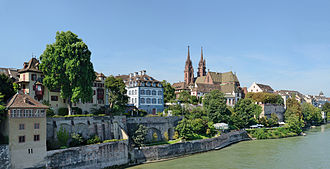
In 1535, Erasmus returned to Basel. He continued working until his health failed. He died on July 12, 1536, and was buried with honors. Despite his disagreements with church leaders, he was respected for his contributions to learning and writing.
Cities and routes of Erasmus | |||||||||||||||||||||||||||||||||||||||||||||||||||||||||||||||||||||||||||||||||||||||||||||||||||||||||||||||||
|---|---|---|---|---|---|---|---|---|---|---|---|---|---|---|---|---|---|---|---|---|---|---|---|---|---|---|---|---|---|---|---|---|---|---|---|---|---|---|---|---|---|---|---|---|---|---|---|---|---|---|---|---|---|---|---|---|---|---|---|---|---|---|---|---|---|---|---|---|---|---|---|---|---|---|---|---|---|---|---|---|---|---|---|---|---|---|---|---|---|---|---|---|---|---|---|---|---|---|---|---|---|---|---|---|---|---|---|---|---|---|---|---|---|
| |||||||||||||||||||||||||||||||||||||||||||||||||||||||||||||||||||||||||||||||||||||||||||||||||||||||||||||||||
Green: residences in early life Orange: residences in early adulthood White: residences in old age Light circles: visits Lines: horseback or carriages on roads Thin lines: Alpine crossings Blue lines: boats on Rhine River and English Channel | |||||||||||||||||||||||||||||||||||||||||||||||||||||||||||||||||||||||||||||||||||||||||||||||||||||||||||||||||


Thought and views
Erasmus, a Dutch scholar, cared deeply about his early life. He supported marriage for priests and wanted better chances for women. He did not like strict rules, especially about food, and thought education should be fun. He loved studying ancient languages and worried about poverty and hopelessness. He disliked beggars who could work and did not like being controlled by authorities. He believed in kindness and peace, especially in avoiding wars.
Erasmus thought in a unique way, being open-minded and flexible. He was known for his idealism and his wish to help people. He studied Scripture for its meaning, not just complex ideas. Erasmus often used irony in his writing, which could make his words hard to understand. He believed in sharing many examples and ideas to explain thoughts clearly. He strongly supported peace in all parts of life and thought Christian living should be peaceful and harmonious. He worried about wars between Christian leaders and wanted princes to be educated to prevent unnecessary fights.
Legacy and evaluations
Main article: Legacy and evaluations of Erasmus
Erasmus was an important scholar during the Northern Renaissance. Many people think he was one of the greatest thinkers, like St Augustine and Voltaire. He was called the "Prince of the Humanists" for his work in teaching and writing.
Even though many liked him, some people did not agree with his ideas. But the Catholic Church never said he was a heretic. In fact, Church leaders supported and protected him. Some groups questioned his writings, but Erasmus said they misunderstood him.
Personal
Erasmus was often sick and worked from his bed many times. As a young man, he got a type of malaria that came back often. He had trouble with his digestion and couldn’t eat fish, beer, or some wines, which were common foods for religious people at the time. He faced many health problems, including kidney stones and gout.
Erasmus wore different clothes depending on the time. Before getting special permission in 1505 and 1517, he wore simple clothing typical of his religious order. Later, he dressed more like a scholar and priest, preferring soft, warm clothes. He also had a special signet ring with a symbol of a Roman god and chose a motto meaning “I concede to no-one.”
Artists liked to paint and draw Erasmus. Famous painters such as Hans Holbein and Albrecht Dürer made portraits of him. Erasmus also had statues made in his honor, and today there are many places named after him, like the Erasmus University in Rotterdam and the Erasmus Bridge.
Images
Related articles


This article is a child-friendly adaptation of the Wikipedia article on Erasmus, available under CC BY-SA 4.0.
Images from Wikimedia Commons. Tap any image to view credits and license.