 Safekipedia
John Calvin
Adapted from Wikipedia · Adventurer experience
John Calvin was a French theologian, pastor, and reformer in Geneva during the Protestant Reformation. He helped create a system of Christian theology called Calvinism. His ideas included beliefs about God's control over saving people and the concept of predestination.
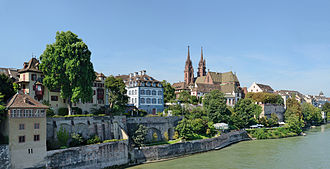
Calvin started as a humanist lawyer. He left the Roman Catholic Church around 1530. After facing danger in France, he moved to Basel, Switzerland. There, he published his important work, Institutes of the Christian Religion, in 1536. That same year, William Farel asked him to help lead the Reformation in Geneva.
Calvin returned to Geneva in 1541 after time in Strasbourg. He introduced new ways to run the church and lead worship services. Even with opposition from some powerful families, Calvin kept promoting the Reformation in Geneva and across Europe until his death in 1564.
Life
John Calvin was born on July 10, 1509, in a town in France called Noyon. He was the second of three boys who lived past infancy. His father worked as a church officer and wanted his sons to become priests.
As a young boy, Calvin was very smart. He studied Latin and later went to university to learn law. During this time, he began to question the Catholic Church and developed new religious ideas. By 1536, he published a book called Institutes of the Christian Religion, which explained his beliefs. That same year, he moved to Geneva, a city in Switzerland, where he helped change the church’s practices.
In Geneva, Calvin worked with another reformer named William Farel to reorganize the church. They created new rules for worship and church leadership. Calvin faced opposition from some people in Geneva who did not agree with his changes, but he continued to lead and preach. He also married a widow named Idelette, who had two children.
Over the years, Calvin became a well-known leader in the Protestant Reformation. He wrote many books, preached frequently, and helped spread his ideas across Europe. In his later years, he focused on education, helping to start a school in Geneva. Calvin passed away on May 27, 1564, at the age of 54.
Theology
Main article: Theology of John Calvin
See also: Calvin's view of Scripture, Augustinian soteriology, and Covenant theology
John Calvin wrote many books about religion. His most important book is The Institutes of the Christian Religion. He made this book easy to understand so others could learn his ideas. Over many years, he changed the book, but his main ideas stayed the same.
Calvin believed that to know God, people need to read the Bible. He thought the Bible showed the true nature of God. He also believed that God had a plan for everyone, even before they were born. Some people, he thought, were chosen to live forever with God.
Calvin talked about what it means to follow Jesus. He said that true followers of Jesus are part of one big family, no matter where they live. He did not think leaders of other churches should have all the power. He believed that church leaders and government leaders should stay separate.
Calvin’s ideas often caused debates. Some people disagreed with him about how Jesus is present when people celebrate special meals together. Others argued about his belief that God had already decided who would live forever. Even his friends sometimes had strong opinions about what he taught.
Political thought
John Calvin wanted to protect the rights and freedoms of everyday people. He believed that while the Bible did not specify a particular type of government, a mix of democracy and aristocracy worked well. He thought that spreading power among different groups helped prevent abuse. Calvin also taught that rulers who go against God’s will should be removed from power.
He saw farming and traditional crafts as normal work. Calvin allowed small interest on loans, unlike some other leaders of his time. He believed that work was a way for people to show thankfulness to God and help others. Everyone should work, and idleness or begging was not accepted.
Selected works
John Calvin wrote many important books and letters. His first book was about a writer named Seneca. He also wrote about the Bible, explaining many books in his own words. Over the years, he shared his ideas about faith and how churches should be run.
Legacy
After John Calvin and his successor passed away, Geneva’s leaders started to control more parts of daily life. Over time, the church in Geneva became less important. Other universities, like those in Leiden and Heidelberg, became centers for Calvin’s ideas, called Calvinism.
Calvin’s teachings spread across Europe and beyond. His ideas reached the French-speaking parts of the Netherlands and were adopted in places like the Electorate of the Palatinate under Frederick III. Important documents such as the Heidelberg Catechism and the Belgic Confession became key statements of belief. Calvinist ideas also influenced leaders in England and Scotland.
Calvin’s work kept growing even after his death. His ideas spread to places like North America, South Africa, and Korea. Though he didn’t live to see it, his ideas became a worldwide movement.
Images
Related articles


This article is a child-friendly adaptation of the Wikipedia article on John Calvin, available under CC BY-SA 4.0.
Images from Wikimedia Commons. Tap any image to view credits and license.