 Safekipedia
Permanent Settlement
Adapted from Wikipedia · Adventurer experience
Permanent Settlement
The Permanent Settlement, also called the Permanent Settlement of Bengal, was an agreement between the East India Company and landlords in Bengal. It fixed how much money could be taken from the land each year. The agreement was made in 1793 by the Company administration led by Charles, Earl Cornwallis. This was part of rules called the Cornwallis Code.
First, the settlement was used in Bengal and Bihar. Later, it spread to Varanasi and northern parts of Madras. The rules were made on May 1, 1793, and stayed until the Charter Act 1833 changed how British India was governed.
The Permanent Settlement had some problems. It was meant to help the company earn more money and grow the economy. But because the tax amount never changed, the company's income went down over time. Many farmers had a hard life, and famines happened often. Landlords, called zamindars, kept the land and collected taxes but often did not give farmers proper land documents. Other land systems in India were the Ryotwari System and the Mahalwari System.
Background
Earlier, leaders called zamindars in Bengal, Bihar, and Odisha collected money for the Mughal emperor. When the East India Company took control of Bengal in 1764, they needed help managing things but didn’t have enough local leaders. This caused problems.
After a big food shortage in 1770, leaders like Warren Hastings tried new ways to manage money. But things still didn’t go well. In 1793, Charles Cornwallis made a new rule called the Permanent Settlement. This rule fixed how much money zamindars had to give each year. The British hoped this would help farmers, but it didn’t always work as they planned.
Overview
The Permanent Settlement was an agreement that let landlords keep their land forever. This was supposed to help them improve their land by building roads, bridges, and adding irrigation. With a fixed tax, they could invest without worrying about losing extra money.
But the tax was very high and never changed, even during hard times like droughts or floods. Many landlords could not pay and fell behind. When they could not pay, their land was sold. This created a new market for land, and many government officials bought land cheaply, using their positions to gain wealth and power. This change moved control from local leaders to government officials, merchants, and bankers.
Influence
The British East India Company wanted the zamindars (local landlords) to help collect taxes and keep order in the countryside. However, the zamindars often wanted to keep things the same and opposed changes made by the British.
Under this system, the government took most of the money from the land, leaving only a small share for the zamindars. If payments were late, the land could be sold.
This system sometimes caused problems. Landlords and officials pushed farmers to grow crops like indigo and cotton instead of food like rice and wheat. This led to food shortages in some years.
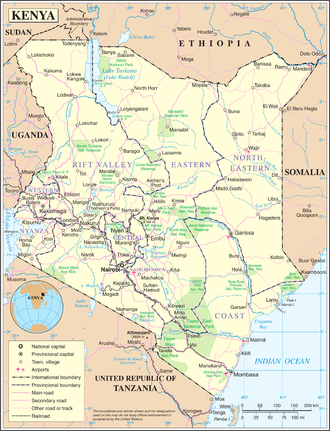
The Permanent Settlement changed life in many parts of India and even in places like Kenya. Landlords gained more power, and it took many years before steps were taken to balance this power, especially after India gained independence. In Pakistan, where these changes were not made, some areas still struggle with leaders having too much influence.
Related articles



This article is a child-friendly adaptation of the Wikipedia article on Permanent Settlement, available under CC BY-SA 4.0.