Vitamin D
Vitamin D is a group of related compounds that dissolve in fat. They help the body absorb calcium from the intestines, and they have many other jobs in the body. In humans, the most important forms are vitamin D3 (cholecalciferol) and vitamin D2 (ergocalciferol). This article is about the whole family. For other uses, see Vitamin D (disambiguation). Individual forms have their own articles, such as Vitamin D4, Vitamin D5, and Calcitriol.
Unlike most of the other twelve vitamins, vitamin D is only sometimes needed from food. When skin gets enough ultraviolet B (UVB) radiation from sunlight, the body makes cholecalciferol in the deeper layers of the skin's epidermis. This process is called synthesis. People can also get vitamin D from food, food fortification, and dietary supplements. For most people, the skin makes more vitamin D than food provides. Because of this, the name is sometimes considered a misnomer. Vitamin D works more like a fat-soluble secosteroid hormone precursor than like a normal part of the diet.
Diet guidelines still assume that people get all their vitamin D by mouth. This is because sunlight may be limited by city living, clothing choices, and the use of sunscreen. People also have safe sunlight exposure concerns. In many countries, milk and plant-based milk substitutes have vitamin D3 added, and so do breakfast cereals.
In the body, the liver changes cholecalciferol into calcifediol. Ergocalciferol is changed into a similar compound. Then the kidneys and certain immune cells change calcifediol into calcitriol, which is the active form of vitamin D. Calcitriol attaches to vitamin D receptors. These are nuclear receptors found in many tissues throughout the body.
Vitamin D was discovered in 1922 during a search for the cause of rickets, a disease that affected children. Adolf Windaus received the Nobel Prize in Chemistry in 1928 for his work on sterols and their connection with vitamins. Today, some countries add vitamin D to food, and people are often advised to take vitamin D supplements. These steps help prevent and treat low vitamin D, rickets, and osteomalacia-like bone weakness. Many other health conditions have been linked to low vitamin D. However, it has not yet been proven that supplements help people who already have enough vitamin D.
History
Further information: Vitamin § History
For a long time, people in northern European countries used cod liver oil as a folk remedy for rheumatism and gout. In the 1800s, it became a popular medicine taken by mouth. Doctors noticed that young children who took cod liver oil did not get rickets. In 1899, John Bland-Sutton suggested a change in diet that included cod liver oil to help some young lion cubs at the London Zoo. In 1914, Elmer McCollum and Marguerite Davis found a substance in cod liver oil that was later named "vitamin A." Edward Mellanby mistakenly thought vitamin A could prevent rickets. In 1922, McCollum showed that the substance that cured rickets was different from vitamin A. He named it vitamin D because it was the fourth vitamin to be named.
In 1925, scientists found that when 7-dehydrocholesterol is exposed to light, a fat-soluble substance is made. It is now known as vitamin D3. Adolf Windaus, at the University of Göttingen in Germany, won the Nobel Prize in Chemistry in 1928 for his work on vitamins. His research partner, Alfred Fabian Hess, also studied vitamin D, and Kenneth Callow worked on separating it out. In 1969, the vitamin D receptor was found. In 1980, scientists learned how vitamin D3 is made in the skin. Vitamin D also helped intensive animal farming grow, because it could be added to feed. Before this, more farm animals became sick and died when they were kept indoors in winter. Now many animals could stay indoors all year.
Types
Vitamin D comes in several forms (vitamers). The two main forms are vitamin D2 (ergocalciferol) and vitamin D3 (cholecalciferol). People often use the name "vitamin D" for both. Scientists discovered D2 in 1931 and D3 in 1935. They later found that D3 forms when ultraviolet light hits a substance called 7-dehydrocholesterol. In 1981, a system of chemical names for the vitamin D forms was recommended, but many older names are still commonly used.
The forms of vitamin D are secosteroids. This means one of the bonds in their steroid rings is broken. D2 and D3 are different in their side chain. D2 has a double bond between carbons 22 and 23, and a methyl group on carbon 24. Scientists have also made vitamin D analogues.
In the United States, dietary guides usually assume that people get all their vitamin D from food and from supplements taken by mouth. This is because people may not get enough sunlight. City living, the clothes they wear outdoors, and the use of sunscreen can all limit sunlight. Sunscreen is used because of concerns about safe levels of sunlight exposure, including the risk of skin cancer.
| Name | Chemical composition | Precursor | Structure |
|---|---|---|---|
| Vitamin D1 | 1:1 mixture of ergocalciferol and lumisterol | ergosterol |    |
| Vitamin D2 | ergocalciferol | ergosterol (fungi) | |
| Vitamin D3 | cholecalciferol | 7-dehydrocholesterol (animal skin, most eukaryotes) |  |
| Vitamin D4 | 22-dihydroergocalciferol | 22,23-dihydroergosterol (mushrooms) |  |
| Vitamin D5 | sitocalciferol | 7-dehydrositosterol (plants) |  |
| Vitamin D6 | stigmacalciferol | 7-dehydrostigmasterol (plants) |  |
| Vitamin D7 | campecalciferol | 7-dehydrocampesterol (plants) |  |
Biology
Calcitriol is the active form of vitamin D. It works by attaching to the vitamin D receptor (VDR), which is mostly found in the nuclei of body cells. When calcitriol attaches, the receptor acts as a transcription factor. This changes the gene expression of transport proteins that help the body take in calcium from the intestine, such as TRPV6 and calbindin. The VDR is part of the nuclear receptor family, which belongs to the steroid hormone receptors. These receptors control genes that respond to hormones. They are found in cells throughout most organs, but VDR levels go down as people get older.
VDR in the intestine, bones, kidneys, and parathyroid gland cells helps keep the right amount of calcium and phosphorus in the blood, which is called maintaining calcium and phosphorus levels. This process is helped by parathyroid hormone and calcitonin. It also supports bone health. VDR helps control how cells grow and change, through cell proliferation and differentiation. Vitamin D also affects the immune system. VDRs are found in several types of white blood cells, including monocytes and activated T and B cells.
Deficiency
More than one billion people around the world may have too little vitamin D. How much is "too little" depends on how it is measured. A 2023 review estimated that about 15% of people worldwide are short on vitamin D. Deficiency becomes more common as people get older. Skin that gets enough UV radiation from sunlight can make vitamin D. When skin cannot make enough, a supplement is recommended. Other causes include air pollution, staying indoors, long hospital stays, clothing that covers the skin, sunscreen, and dark skin. Food alone rarely gives enough vitamin D. About 20% comes from food and about 80% comes from sunlight. Vegans get less vitamin D than people who eat both plants and animal foods. Lacto-ovo-vegetarians fall in between. Some countries add vitamin D to foods. In July 2016, the US Food and Drug Administration approved adding it to plant milk drinks.
Many diseases, treatments, and medicines raise the risk of deficiency. People who have received an organ transplant are advised to avoid sunlight and to take a supplement. Daily doses are usually preferred for treatment. About 4,000 IU per day works better and has fewer side effects than large weekly or monthly doses. Melanin protects skin from sunburn and skin cancer, but it also makes it harder for the skin to produce vitamin D. People with dark skin are at more risk when they cover much of their bodies, spend most of their time indoors, or live far from the equator, where winter sunlight is weaker. Breast milk contains very little vitamin D. Babies who are breastfed are recommended to take 400 IU per day during their first year. Infant formula is designed to provide this amount.
Vitamin D toxicity, also called hypervitaminosis D, happens when there is too much vitamin D in the body. It is rare. In the past, it happened when foods were added with vitamin D without control, especially foods for babies. More recently, it has happened from taking high-dose vitamin D supplements. Sunlight and tanning beds alone do not cause it. The skin makes only a limited amount of vitamin D. The kidneys change extra amounts into 24,25-hydroxyvitamin D, which the body cannot use. This is then broken down into calcitroic acid, which leaves the body in bile.
Experts do not agree on exactly how much vitamin D can cause harm. A review by the Institute of Medicine said that doses below 10,000 IU a day are usually not harmful. Doses of 50,000 IU a day for several weeks or months often cause harmful side effects. Too much vitamin D causes hypercalcaemia, which means there is too much calcium in the blood. This can make the bones and soft tissues hard. If it is not treated, it can lead to kidney failure. Symptoms may include increased thirst, increased urination, nausea, and tiredness. In 2011, the US National Academy of Medicine updated its safe upper limits. These limits are given in micrograms and international units. For adults, the limit is 4,000 IU a day, but some products contain much more than that. In almost every case, stopping the supplements, eating a low-calcium diet, and taking corticosteroid drugs allows a full recovery within a month. A rare condition in babies, caused by a change in the CYP24A1 gene, makes them more sensitive to vitamin D. This condition can continue into adulthood.
Health effects
Main article: Rickets
Main articles: Osteomalacia and Osteoporosis
See also: COVID-19 drug repurposing research § Vitamin D, and COVID-19 misinformation § Vitamin D
Vitamin D supplements can prevent or treat rickets, a childhood disease that makes long bones soft, weak, and bent. Their effects on other parts of health are not yet clear. One review found little effect on most diseases, though deaths among older people may have dropped a little. Supplements do not change the outcomes for myocardial infarction, stroke, cerebrovascular disease, cancer, bone fractures, or knee osteoarthritis. A report from the US Institute of Medicine said that calcium or vitamin D could not be reliably linked to cardiovascular disease, hypertension, autoimmune disorders, or preeclampsia. The studies often disagreed. Some researchers felt the report was too firm in its advice, but panel members said it is based on solid data. Taking vitamin D may lower the risk of death in older people, but the evidence is not strong enough to recommend supplements yet.
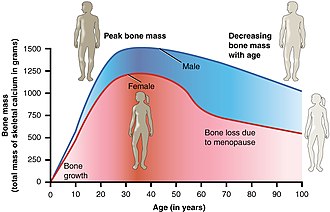
Low vitamin D has been linked to osteomalacia, which softens bones and can lead to osteoporosis and lower bone mineral density. Taking vitamin D with calcium may help prevent hip fractures in older people with osteoporosis, but it slightly raises the risk of stomach and kidney problems. Extra vitamin D does not seem to prevent falls. Athletes who lack vitamin D have a higher risk of stress fractures. Research on cancer is not strong enough to show that supplements help, though some evidence suggests fewer cancer deaths. Supplements do not reduce the risk of ischemic heart disease, and they do not lower blood pressure in most people.
Low vitamin D levels have been seen in people with thyroid diseases, lupus, myasthenia gravis, rheumatoid arthritis, and multiple sclerosis. However, supplements did not show clear benefits for some of these. Vitamin D is linked to the body's innate and adaptive immune systems, and low levels may raise the risk of tuberculosis. Supplements do not prevent asthma attacks.
In July 2020, the US National Institutes of Health said there was not enough evidence to recommend vitamin D for preventing or treating COVID-19. Later, the UK National Institute for Health and Care Excellence (NICE) advised against using it to treat COVID-19 outside clinical trials. Supplements did not clearly reduce chronic obstructive pulmonary disease (COPD) flare-ups. A systematic review did find that vitamin D with insulin helped keep C-peptide levels steadier than insulin alone.
Children with ADHD tend to have lower vitamin D levels. A few small studies suggested it may help with impulsivity and hyperactivity. Supplements do not reduce depressive symptoms overall, but they may help people with clinically significant depression. Low vitamin D has been linked to cognitive impairment and a higher risk of Alzheimer's disease. However, poor nutrition and less time outdoors may explain this, so a direct link to cognition has not been shown. Low vitamin D may be linked to erectile dysfunction, possibly through effects on nitric oxide, but the evidence that supplements help is not yet sufficient.
Pregnant women often do not get enough vitamin D. Low levels are linked to gestational diabetes and pre-eclampsia. Obesity increases the risk of low vitamin D, and low vitamin D has been linked to uterine fibroids. In one review, vitamin D deficiency in children raised the risk of tooth decay by about 22%.
Allowed health claims
Government agencies in some regions decide which health claims food and supplement companies may put on their packaging.
Europe: European Food Safety Authority (EFSA)
- normal working of the immune system
- normal inflammatory response
- normal muscle function
- lower risk of falling in people over age 60
US: Food and Drug Administration (FDA)
- "Enough calcium and vitamin D, as part of a healthy diet, along with physical activity, may lower the risk of osteoporosis."
Canada: Health Canada
- "Enough calcium and regular exercise may help children and teenagers build strong bones and lower the risk of osteoporosis in older adults. Getting enough vitamin D is also needed."
Japan: Foods with Nutrient Function Claims (FNFC)
- "Vitamin D is a nutrient which helps the body absorb calcium from the gut intestine and helps bones grow."
Dietary intake
Government groups in different places suggest different amounts of vitamin D to eat each day (daily intake). The advice can depend on a person's age, whether they are pregnant or breastfeeding, and how much vitamin D the body makes from sunlight. Older advice was lower. For example, in 1997 the US recommended 200 IU a day for babies, children, adults up to age 50, and women who were pregnant or breastfeeding.
The UK National Health Service (NHS) and Public Health England suggest that everyone, including pregnant and breastfeeding women, consider a daily supplement of 10 μg (400 IU) in autumn and winter, when there is not enough sunlight. In the US, a dietary reference intake was issued in 2011 by the Institute of Medicine (IoM). It was renamed the National Academy of Medicine in 2015. This guidance assumes people get no vitamin D from their skin. The tolerable upper intake level is the highest amount that is likely to be safe for nearly everyone. Health Canada and the European Food Safety Authority (EFSA) have also published their own guidance. The Swedish National Food Agency recommends 10 μg (400 IU) of vitamin D3 for children and adults up to age 75, and 20 μg (800 IU) for adults aged 75 and older.
Few foods naturally contain vitamin D. Fatty fish, but not lean fish such as tuna, are the best natural food sources of vitamin D3. Beef liver, eggs, and cheese have smaller amounts. Mushrooms can provide vitamin D2 when they are treated with UV light. In some countries, breakfast cereals, dairy milk, and plant milks have vitamin D added. In the early 1930s, the United States and northern European countries began adding vitamin D to milk to fight rickets. Later, after some highly publicized cases of hypercalcemia and birth defects in the 1950s, adding vitamin D to food became regulated, and it was stopped in some countries. Foods such as infant formulas, meal replacement food bars, and soy-protein–based beverages may also be fortified.
See also: Ergocalciferol § Biosynthesis
| United Kingdom | ||
| Age group | Intake (μg/day) | Maximum intake (μg/day) |
|---|---|---|
| Breast-fed infants 0–12 months | 8.5–10 | 25 |
| Formula-fed infants ( | 10 | 25 |
| Children 1 – 10 years | 10 | 50 |
| Children >10 and adults | 10 | 100 |
| United States | ||
| Age group | RDA (IU/day) | (μg/day) |
| Infants 0–6 months | 400* | 10 |
| Infants 6–12 months | 400* | 10 |
| 1–70 years | 600 | 15 |
| Adults > 70 years | 800 | 20 |
| Pregnant/Lactating | 600 | 15 |
| Age group | Tolerable upper intake level (IU/day) | (μg/day) |
| Infants 0–6 months | 1,000 | 25 |
| Infants 6–12 months | 1,500 | 37.5 |
| 1–3 years | 2,500 | 62.5 |
| 4–8 years | 3,000 | 75 |
| 9+ years | 4,000 | 100 |
| Pregnant/lactating | 4,000 | 100 |
| Canada | ||
| Age group | RDA (IU) | Tolerable upper intake (IU) |
| Infants 0–6 months | 400* | 1,000 |
| Infants 7–12 months | 400* | 1,500 |
| Children 1–3 years | 600 | 2,500 |
| Children 4–8 years | 600 | 3,000 |
| Children and adults 9–70 years | 600 | 4,000 |
| Adults > 70 years | 800 | 4,000 |
| Pregnancy & lactation | 600 | 4,000 |
| Australia and New Zealand | ||
| Age group | Adequate Intake (μg) | Upper Level of Intake (μg) |
| Infants 0–12 months | 5* | 25 |
| Children 1–18 years | 5* | 80 |
| Adults 19–50 years | 5* | 80 |
| Adults 51–70 years | 10* | 80 |
| Adults > 70 years | 15* | 80 |
| European Food Safety Authority | ||
| Age group | Adequate Intake (μg) | Tolerable upper limit (μg) |
| Infants 0–12 months | 10 | 25 |
| Children 1–10 years | 15 | 50 |
| Children 11–17 years | 15 | 100 |
| Adults | 15 | 100 |
| Pregnancy & Lactation | 15 | 100 |
| * Adequate intake, no RDA/RDI yet established | ||
| Food source | Amount (IU / serving) |
|---|---|
| Trout (rainbow), farmed, cooked, 3 ounces | 645 |
| Salmon (sockeye), cooked, 3 ounces | 570 |
| Mushrooms, exposed to UV light, 1⁄2 cup (120 mL) | 366 |
| Mushrooms, not exposed to UV light, 1⁄2 cup (120 mL) | 7 |
| Milk, 2% milkfat, fortified, 1 cup | 120 |
| Plant milks, fortified, 1 cup | 100–144 |
| Ready-to-eat cereal, fortified, 1 serving | 80 |
| Egg, 1 large, scrambled | 44 |
| Liver, beef, cooked, 3 ounces | 42 |
| Cheese, cheddar, 1.5 ounce | 17 |
Biosynthesis and evolution
In nature, vitamin D is made when ergosterol in fungi, or 7-dehydrocholesterol in animals, is changed by ultraviolet light. In most animals, including humans, vitamin D3 is made in the skin. It forms in the keratinocytes of the two innermost layers of the epidermis, the stratum basale and the stratum spinosum. This process needs UVB light, which comes from sunlight and some tanning beds. Window glass blocks almost all UVB light, so sunlight through a window is not enough. Dark skin, or skin that has tanned, contains melanin. Melanin blocks UVB light and slows down vitamin D making.
Vitamin D has been around for a very long time. For at least 1.2 billion years, eukaryotes, a group of living things with cells that have a nucleus, have been able to make it. At first, it seems to have protected living things from DNA damage. Only about 500 million years ago, when animals began moving onto land, did it start helping to control calcium in the body. Early humans lived near the equator, where their skin had a lot of melanin to protect against strong sunlight. Later, people who settled in places with less sunlight developed lighter skin, which helped them make enough vitamin D. Today, vitamin D3 is also made in factories. There, 7-dehydrocholesterol, which comes from lanolin in sheep's wool, is exposed to UV light.
Metabolism
Whether vitamin D comes from the skin or from food, the liver changes it into a form called calcifediol. This is a prohormone, a substance the body can later turn into a hormone. An enzyme called the microsomal vitamin D 25-hydroxylase helps make this change. Calcifediol then travels in the blood, held by vitamin D-binding protein. In the kidneys, a different enzyme, the 25-hydroxyvitamin D 1-alpha-hydroxylase, changes it into calcitriol. This enzyme works more when parathyroid hormone is present, and also when blood calcium or phosphate is low. Calcitriol then goes into the blood and travels around the body. Some other cells, including monocyte-macrophages in the immune system, can also make calcitriol. In those cells it works nearby as a cytokine, a chemical messenger that helps the body fight germs by activating the innate immune system.
The body turns calcitriol off by adding another hydroxyl group at position 24. An enzyme called vitamin D3 24-hydroxylase, which comes from the gene CYP24A1, does this. The result is calcitetrol, which is broken down further into calcitroic acid. This acid is inactive, dissolves in water, and leaves the body in bile. Vitamin D2 (ergocalciferol) and vitamin D3 (cholecalciferol) work in similar but not identical ways. Products made from vitamin D2 have an er- or ergo- prefix to tell them apart. They tend to bind less well to vitamin D-binding protein. Only vitamin D3 can be changed into calcifediol by the enzyme CYP27A1, and vitamin D2 cannot.
Mechanism of action
See also: Vitamin D receptor, Calcitriol, and Parathyroid hormone
Calcitriol mainly works by attaching to the vitamin D receptor (VDR). This helps control how much gene transcription happens. Without calcitriol, the VDR is mostly found in the cytoplasm of cells. Calcitriol goes into cells and attaches to the VDR. The VDR then pairs up with its partner RXR. This active pair is translocated into the nucleus. There, it attaches to vitamin D response elements (VDRE). These are special DNA spots next to genes, and there are thousands of them. The pair then helps other proteins transcribe a gene into mRNA. That mRNA is translated into protein, which changes how the cell works.
Other vitamin D products may also help. CYP11A1 is an enzyme mostly known for its role in steroidogenesis. It changes vitamin D3 in several places. The changed forms act as inverse agonists for RORα and RORγ2. This leads to less IL-17 signalling, which affects the immune system.
Some effects happen too quickly to come from gene transcription. For example, calcitriol causes fast calcium uptake within 1 to 10 minutes in many cell types. These quick actions may involve receptors on the cell surface, such as PDIA3.
The vitamin D receptor controls genes that affect many body processes, not just calcium and bones. These include immune function, cellular signaling, and even blood coagulation.
Some of these genes manage vitamin D itself. CYP27B1 makes active vitamin D, and CYP24A1 breaks it down. Other genes handle calcium homeostasis and bone metabolism. These include TNFSF11 (RANKL), SPP1 (Osteopontin), and BGLAP (Osteocalcin).
Some genes help with calcium movement. TRPV6 is a calcium channel needed to absorb calcium in the intestine. S100G (Calbindin-D9k) helps move calcium through enterocytes. ATP2B1 (PMCA1b) is a plasma membrane calcium ATPase that pushes calcium out of the cell. The S100A family of proteins also binds calcium.
For immunity, vitamin D influences CAMP, CD14, and HLA class II genes. These matter for adaptive immune function. It also affects the cytokines IL2 and IL12, which are important for T cell responses.
Vitamin D also helps control THBD (Thrombomodulin), which plays a part in blood clotting. It affects p21 and p27, which help control the cell cycle. It also influences transcription factors such as c-fos and c-myc, which are involved in cell proliferation.
Vitamin D levels are controlled by a negative feedback process. Calcitriol, the active form of vitamin D, greatly increases the enzyme CYP24A1, which breaks vitamin D down. It does this when the activated vitamin D receptor (VDR) attaches to two vitamin D response elements (VDREs) in the CYP24A1 gene. VDR also brings in helper proteins, such as histone acetyltransferases and RNA polymerase II. At the same time, calcitriol lowers the making of CYP27B1, another enzyme. It does this by changing the promoter region of its gene in an epigenetic way. Together, these actions keep vitamin D levels tightly controlled in the kidney. Two hormones also help control vitamin D: parathyroid hormone (PTH) and fibroblast growth factor-23 (FGF-23). They help keep the body's calcium and phosphate in balance.
PTH controls serum calcium by acting on bones, kidneys, and the small intestine. Bone remodeling goes on throughout life. In this process, osteoclasts release minerals from bone (bone resorption), and osteoblasts add them back. PTH releases calcium from bones and lowers phosphate in the blood. This leaves more free ionized calcium in the blood. In the kidneys, PTH also helps make calcitriol. Calcitriol helps the intestine absorb calcium through calbindin. It also reduces calcium loss in the urine and lowers PTH production, which keeps calcium levels steady. However, if there is too much vitamin D in the blood, bones release more calcium no matter what PTH does. This can lead to hypercalcemia and its symptoms.

Quiz time!
4 questions about Vitamin D
What kind of substances are vitamin D compounds?
Pictures
Keep exploring


This article is a child-friendly adaptation of the Wikipedia article on Vitamin D, available under CC BY-SA 4.0.
Images from Wikimedia Commons. Tap any image to view credits and license.