 Safekipedia
Bohemia
Adapted from Wikipedia · Discoverer experience
Bohemia is the westernmost and largest historical region of the Czech Republic. It has an area of 52,065 km2 and is home to about 6.9 million people today. Bohemia has been part of many different states and empires throughout history.
The area known as Bohemia started as a principality that became part of Great Moravia. It then became an independent Duchy of Bohemia, which later became a kingdom in the Holy Roman Empire. Over time, Bohemia became part of the Habsburg monarchy and the Austrian Empire.
After World War I, Bohemia became part of an independent Czechoslovak state. During World War II, some border regions were annexed by Nazi Germany, but after the war, Bohemia became part of the restored Czechoslovakia again.
In 1968, troops from the Soviet Union occupied the Czech lands, including Bohemia, until the Velvet Revolution in 1989. In 1993, Czechoslovakia split into two countries, and Bohemia became part of the new Czech Republic. Today, Bohemia's borders are mostly marked by mountain ranges like the Bohemian Forest, the Ore Mountains, and the Giant Mountains.
| Year | Pop. | ±% |
|---|---|---|
| 1869 | 5,119,968 | — |
| 1880 | 5,575,812 | +8.9% |
| 1890 | 5,858,677 | +5.1% |
| 1900 | 6,335,301 | +8.1% |
| 1910 | 6,787,632 | +7.1% |
| 1921 | 6,675,404 | −1.7% |
| 1930 | 7,114,712 | +6.6% |
| 1950 | 5,677,200 | −20.2% |
| 1961 | 5,991,967 | +5.5% |
| 1970 | 6,028,088 | +0.6% |
| 1980 | 6,270,672 | +4.0% |
| 1991 | 6,245,688 | −0.4% |
| 2001 | 6,202,210 | −0.7% |
| 2011 | 6,479,056 | +4.5% |
| 2021 | 6,609,326 | +2.0% |
| Source: Censuses | ||
Etymology
See also: Name of the Czech Republic
Long ago, around 200 BC, the Romans fought with a group of people called the Gauls-Celtic tribe Boii. The Romans won, and the Boii moved north across the mountains. Later, Roman writers called the land they used to control Boiohaemum. This name comes from the tribe’s name, Boio-, and a word meaning “home.”
The Czech name “Čechy” comes from the name of the Slavic people, the Czechs, who lived there many centuries later.
History
Further information: History of the Czech lands and History of Czechoslovakia
Ancient Bohemia
Bohemia, like nearby Bavaria, gets its name from the Boii, a large group of people known to ancient Romans for moving around and settling in places like northern Italy. Some of them moved to southern France, which led to important events in history. After they left, other groups came to the area, including people who spoke Germanic languages.
The Romans had an empire to the south, and to the southeast were people living in what is now Hungary. In the area of modern Bohemia, leaders like Marobodus guided groups of people, using natural defenses like mountains and forests to protect themselves. They worked with nearby tribes and sometimes fought against the Romans.
In later times, new groups appeared, and many people moved around. Eventually, Slavic tribes came from the east, and their language became more common in the area.
Přemysl dynasty
Bohemia became part of a larger early Slavic state called Great Moravia. After some difficult times, a new local leadership emerged under the Přemyslid dynasty, which ruled the area for many years.
The Přemyslids made alliances and adopted Christianity, which helped them secure their position. They had relationships with powerful empires around them. After a big battle in 955, Bohemia gained more land and stayed somewhat independent under the Holy Roman Empire.
Luxembourg dynasty
The House of Luxembourg took over the leadership of Bohemia through marriage. One of their leaders, Charles IV, became very important. He started Central Europe's first university in Prague and expanded Bohemia's lands and influence.
Hussite Bohemia
A religious leader named Jan Hus was executed, which led to wars called the Hussite Wars. Leaders like Jan Žižka used new battle tactics. After some time, groups within the Hussites made peace with the Catholic Church.
Habsburg Monarchy
After a king died in battle in 1526, Bohemia came under the control of the Habsburg monarchy. The country faced attacks and changes in leadership over the years.
Bohemia had periods of freedom for different religious groups but later faced strict rules under the Habsburgs. This led to conflicts, including the Thirty Years' War, which brought a lot of hardship.
Interbellum
After World War I, Bohemia became part of the new country of Czechoslovakia. The country faced challenges with different groups of people living there.
German occupation and World War II
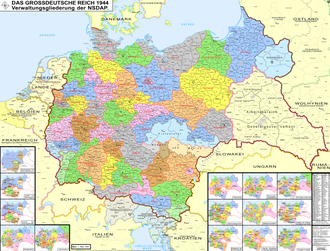
During World War II, parts of Bohemia were taken over by Nazi Germany. The area suffered under harsh rule, with many people being treated badly and losing their homes. After the war, many people who had lived there for a long time were moved away, which changed the area's population.
Recent history
In 1948, a change in government led to a strict rule supported by Soviet influence. In 1989, big changes happened that led to a more open government.
After the country split in 1993, Bohemia became part of the Czech Republic. Today, Bohemia is remembered as an important part of history, even though its exact borders are not used for government purposes anymore.
In April 2025, a big discovery of gold coins was made in north-eastern Bohemia, offering valuable insights into the region's past.
Former parts
Zittau (Czech: Žitava) and Ostritz (Czech: Ostřice) in modern south-eastern Saxony were once part of Bohemia during the Middle Ages. Zittau was given city rights by King Ottokar II of Bohemia in 1255 and later joined the Lusatian League in 1346. Over time, it became part of Upper Lusatia and was annexed by the Electorate of Saxony in 1635.
The area around Kłodzko (Czech: Kladsko) in south-western Poland was also culturally part of Bohemia. It was ruled by the Polish Piast dynasty and later by the Kingdom of Prussia. After World War II, Czechoslovakia tried to reclaim this area due to a small Czech minority, but these efforts failed. The region remains part of Poland, though a tourist area in the Czech Republic remembers its history.
Historical administrative divisions
During the time of the Kingdom of Bohemia, Bohemia was divided into several areas, known as Kraje. Some of these areas included:
- Bechyně (called Beching in German)
- Boleslav (called Jungbunzlau in German)
- Čáslav (called Tschaslau in German)
- Chrudim
- Hradec Králové (called Königgrätz in German)
- Kladsko (called Glatz in German)
- Kouřim near Prague (called Prag in German)
- Litoměřice (called Leitmeritz in German)
- Loket (called Elbogen in German)
- Vltava (called Moldau in German)
- Plzeň (called Pilsen in German)
- Podbrdsko near Beroun (called Beraun in German)
- Prácheň near Písek
- Rakovník (called Rakonitz in German)
- Slaný (called Schlan in German)
- Žatec (called Saaz in German)
Images
Related articles


This article is a child-friendly adaptation of the Wikipedia article on Bohemia, available under CC BY-SA 4.0.
Images from Wikimedia Commons. Tap any image to view credits and license.