Eating
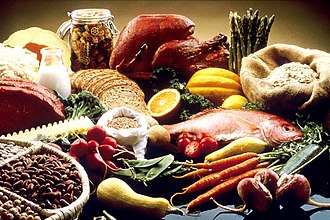
Eating (also known as feeding or consuming) is the ingestion of food for digestion. In biology, this is typically done to provide heterotrophic organisms with the essential nutrients and energy needed for metabolism and physical growth. These organisms cannot gain nutrition and energy on their own like autotrophs, so they must take in external organic matters to survive.
Animals have evolved different forms of eating. Carnivores and scavengers eat flesh (meat) from other animals, herbivores and algivores eat plants and algae, and omnivores consume a mixture of plant and animal matter. Detritivores and coprophages eat detritus and feces. Animals and phagotrophs eat and digest food inside their bodies. In contrast, decomposers such as fungi and microbes release enzymes to digest organic matter outside their bodies before absorbing the nutrients, so they do not "eat" food in the same way.
For humans, eating is more complex, but it is typically an activity of daily living. Human eating is usually organized into routine sessions called meals, where proper courses of cooked food are eaten, typically with a good amount of staples. More flexible, casual eating called snacks usually involves small amounts of non-staple food, often convenience food and sometimes raw foods such as fruits and nuts. People eat snacks more for degustation than to satiate hunger. Formal eating at a gathering or a date is called dining, and large dining events where many people eat together are known as banquets or feasts. The craft of preparing and presenting meals is called culinary arts. The person doing this work may be a cook, chef or cater, depending on the nature of food service.
Physicians and dieticians consider a healthy diet essential for staying in peak physical condition. Some people reduce their dietary intake, either by choice as part of a dieting lifestyle or through fasting for reasons of religious food prohibition, abstinence or political protest, such as a hunger strike. Limited eating or rationing may also happen for logistical reasons, such as a food shortage or a famine, which can lead to starvation and undernutrition. On the other hand, overeating and excessive calorie intake (overnutrition) may lead to obesity and associated health problems. Because of its prevalence in the developed world, some public health professionals have declared an "obesity epidemic." Several terms redirect here. For other uses, see Eating (disambiguation), Eat (disambiguation) and Feeding (disambiguation).
Eating practices among humans
Many homes have a large kitchen for making meals and food, and may have a dining room, dining hall, or another special area for eating. Most societies also have restaurants, food courts, and food vendors so people can eat when they are away from home, when they do not have time to cook, or when eating is part of a social event. At their most advanced, these places become "theatrical spectacles of global cosmopolitanism and myth." At picnics, potlucks, and food festivals, eating is the main reason for getting together.
People usually eat two or three meals a day, and smaller snacks may be eaten between meals. Doctors in the UK recommend three meals a day, with about 400 to 600 kcal per meal and four to six hours between meals. In jurisdictions under Sharia law, eating may be forbidden for Muslim adults during the daytime hours of Ramadan.
Development in humans
Newborn humans (Newborn) are not yet developed enough to chew, so they drink only breast milk or infant formula. As infant development goes on, some babies are given small amounts of puréed baby foods from about two or three months old, but most do not eat solid food until they are six to eight months old. In many undeveloped countries, adults sometimes chew food and feed it to babies (Premastication), which gives a softened food bolus. Young babies eat liquid or soft food because they have few teeth and an immature digestive system.
Between 8 and 12 months, the digestive system improves and deciduous teeth come in ("teething"). Many babies then begin weaning and eating finger foods, though their diet is still limited because most lack molars or canines. By 18 months, most babies have enough teeth and a mature digestive system to eat the same foods as adults. Eating is messy for children, and they often do not master neatness or good table manners until they are five or six. Eating positions also vary around the world, as culture shapes how people eat. In most Middle Eastern countries, sitting on the floor is most common. The Ancient Greeks ate in a reclining position at a symposium, a custom later adopted by the Ancient Romans, and Ancient Hebrews also reclined for traditional Passover celebrations.
Disorders
Eating is usually triggered by hunger. However, many physical and psychological conditions can affect appetite and disrupt normal eating. These include depression, food allergies, certain chemicals, bulimia, anorexia nervosa, problems with the pituitary gland and other endocrine problems, and many other illnesses and eating disorders. Not having enough nutritious food over a long time can cause illnesses and eventually lead to starvation.
Changes in appetite can come from conditions like depression, allergies, and anxiety. Anorexia and bulimia are specific eating disorders that affect the whole body. People with anorexia nervosa limit how much they eat because they fear gaining weight, which leads to an unhealthy weight and harms their health. Bulimia involves repeated episodes of binge eating, where a large amount of food is eaten in a short time. Afterward, people may do unhealthy things, such as making themselves vomit, exercising too much, or using laxatives. When eating and drinking is not possible, as is often the case when recovering from surgery, other options are enteral nutrition and parenteral nutrition.
Other animals
Birds
Mammals

Quiz time!
5 questions about Eating
Why must heterotrophs take in food from outside their bodies?
Pictures
Keep exploring


This article is a child-friendly adaptation of the Wikipedia article on Eating, available under CC BY-SA 4.0.
Images from Wikimedia Commons. Tap any image to view credits and license.