 Safekipedia
Louis-Guillaume Otto
Adapted from Wikipedia · Discoverer experience
Louis-Guillaume Otto, also known as comte de Mosloy, was born on August 7, 1754. He was a Germano-French diplomat who played an important role in international relations during his time.
Otto served in many important positions and helped negotiate agreements between countries. His work helped shape diplomatic practices that we still see today.
He passed away on November 9, 1817, but his contributions to diplomacy are still remembered and studied by historians.
Life
Louis-Guillaume Otto studied under Christoph Wilhelm von Koch and was a friend of Emmanuel-Joseph Sieyès at the University of Strasbourg, where he graduated in Modern Languages and Law.
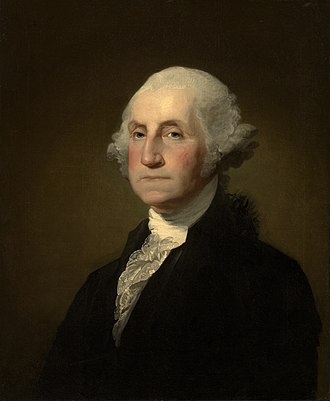
He joined the French diplomatic service, becoming private secretary to César de La Luzerne in Bavaria. In 1779, he was sent on a diplomatic mission to the United States. While there, he served as Secretary of the French Legation and built good relationships with George Washington and other leaders. He also wrote reports analyzing the U.S. Constitution.
Later, Otto returned to France and took an important role in foreign affairs. However, political changes led to his arrest, but he survived. He continued his diplomatic career in Berlin, London, and later at the Bavarian court. In 1810, he became French Ambassador to Vienna, helping arrange an important marriage for Napoleon. Napoleon honored him by naming him comte de Mosloy.
Otto retired from politics after the Hundred Days and passed away in 1817. He was buried at the Cimetière du Père-Lachaise in Paris.
Coat of arms
The coat of arms of Louis-Guillaume Otto is described in French as "Écartelé, aux 1 et 4 fascé d'or et de sable ; au 2 d'argent à une loutre de sable issante d'une rivière d'azur engoulant un poisson d'or; au 3 de gueules au lion léopardé d'or tenant un coeur d'argent". This design includes different colors and symbols, showing a lion holding a heart and an otter catching a fish in a river.
Images
Related articles


This article is a child-friendly adaptation of the Wikipedia article on Louis-Guillaume Otto, available under CC BY-SA 4.0.
Images from Wikimedia Commons. Tap any image to view credits and license.