 Safekipedia
Varieties of Arabic
Adapted from Wikipedia · Discoverer experience
Arabic has many different ways of speaking, called varieties or dialects. These are the ways people naturally speak at home and with friends. Arabic started in the Syrian desert and the Arabian Peninsula. It belongs to a big family of languages called Afroasiatic, and it is part of the Semitic group.
These Arabic varieties change a lot from place to place. Sometimes people from faraway places can understand each other well, but other times they might not understand each other at all. Some groups, like SIL International, think these varieties are separate languages, while others, like the Library of Congress, call them all dialects of Arabic.
In everyday life, Arabic speakers often use two different forms of the language. There is a formal version, called Modern Standard Arabic, which is used in writing and careful speeches. Then there are local, everyday versions called vernaculars or colloquial Arabic. These local versions change a lot between countries and even between cities and villages. This is similar to how Latin had a formal version and many local versions, which later became new languages like French, Spanish, and Italian.
People usually learn their local version of Arabic first, and then they learn the formal version at school. Even though local versions can be very different, the formal version, called fuṣḥa, is understood by anyone who can read and write Arabic. There are also many small differences between how Bedouin people speak and how people who live in towns speak, and even between men and women, or between young people and older people. Because of these differences, Arabic speakers often change how they speak depending on who they are talking to and what they are trying to say.
Classification
Regional varieties
Arabic changes a lot depending on where you are. There are two main groups: the eastern dialects and the western dialects. People from the east usually understand the western dialects better than the other way around.
Today, experts split Arabic into five big groups: Peninsular, Mesopotamian, Levantine, Egypto-Sudanic (which includes Egyptian and Sudanese), and Maghrebi. These groups do not follow modern country borders. Words in western areas are called ad-dārija, and in eastern areas, they are called al-ʿāmmiyya. Dialects close together are usually easy to understand, but far apart ones are not. Western dialects, especially Egyptian and North African, can be hard for each other to understand. This is because Egyptian and Levantine TV and movies are very popular.
Different languages have influenced Arabic in different places. For example:
- Ancient Egyptian or Coptic in Egypt
- Aramaic in the Levant
- Aramaic, Akkadian, and Persian in Mesopotamia (Iraq)
- Berber, Spanish, and French in the Maghreb
- Himyaritic, Modern South Arabian, and Old South Arabian in Yemen
Maghrebi group
Maghrebi dialects are influenced by Berber languages, Spanish, and French because of history.
Sudanese group
Sudanese dialects are influenced by Nubian languages and Beja.
Egyptian group
Egyptian dialects are mainly influenced by the Coptic language.
- Egyptian Arabic
- Sa'idi Arabic
Mesopotamian group
Mesopotamian dialects in Iraq and north-east Syria are influenced by ancient languages like Sumerian, Akkadian, Eastern Aramaic, Persian, and Ottoman Turkish.
- North Mesopotamian
- South Mesopotamian
- Marsh Arabic
- Baghdadi Arabic
- Khuzestani Arabic
- Shawi Arabic
Levantine group
Levantine varieties are influenced by Aramaic and also Ottoman Turkish, Greek, Persian, and French.
- Cilician Arabic
- Jordanian Arabic
- Lebanese Arabic
- Palestinian Arabic
- Fellahi Arabic
- Madani Arabic
- Syrian Arabic
- Damascene Arabic
- Aleppo Arabic
Peninsular group
Varieties from the Arabian peninsula are influenced by South Arabian languages.
- Najdi Arabic
- Gulf Arabic
- Bahrani Arabic
- Hejazi Arabic
- Yemeni Arabic
- Omani Arabic
- Dhofari Arabic
- Shihhi Arabic
- Bareqi Arabic
- Bedawi Arabic
Peripheries
- Central Asian Arabic
- Bactrian Arabic
- Uzbeki Arabic
- Khorasani Arabic
- Shirvani Arabic
Jewish varieties
Jewish varieties are influenced by Hebrew and Aramaic languages.
- Judeo-Arabic
- Judeo-Algerian
- Judeo-Egyptian
- Judeo-Iraqi
- Judeo-Baghdadi
- Judeo-Lebanese
- Judeo-Moroccan
- Judeo-Syrian
- Judeo-Tripolitanian
- Judeo-Tunisian
- Judeo-Yemeni
- Modern Palestinian Judeo-Arabic
Creoles and pidgins
Main article: Arabic-based pidgins and creoles
There have been many Arabic-based pidgins and creoles throughout history, including some new ones today. These can be divided into Sudanic pidgins and creoles, and new immigrant pidgins.
Creoles
- Nubi
Pidgins
Diglossic variety
Language mixing and change
Arabic speakers often change how they speak depending on the situation. They might do this to fit in, to sound more formal, or to communicate better with others who speak differently.
One reason for this change is the idea of a "prestige dialect," which is a way of speaking that people respect. Formal Arabic is often seen as prestigious, but local dialects can be too. For example, in Egypt, people often respect the way people in Cairo speak.
Arabic speakers sometimes mix different types of Arabic in the same conversation. This is called code-switching. For instance, someone might use formal Arabic to sound more serious. Over time, some dialects change to become more like the ones people around them use. This can happen quickly when people need to talk to each other or slowly when people move to new places and start speaking like the locals.
Sometimes, people use words that are a mix of their dialects to make talking easier. For example, when saying "there is," different regions use different words, but some words are easier for everyone to understand.
Sedentary and nomadic varieties
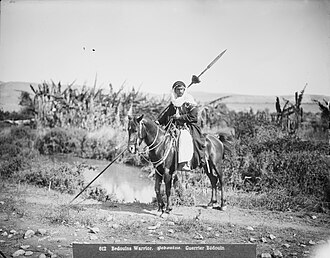
The Arabic language has different forms spoken by people who live in cities and those who move around with their animals. This difference started a long time ago when Arab groups conquered new lands. They set up army camps that grew into cities, and later, more people settled in the countryside.
One big way these forms differ is in how they say certain sounds. For example, the letter ق is said with a soft sound in cities on the Arabian Peninsula and in areas where moving groups live, but it is often said with a harder sound in cities in Egypt and the Levant. Another difference is that in the countryside, some sounds from older Arabic stay the same, while in cities, these sounds often change.
Examples of major regional differences
The following example shows how the literary, standardized varieties, and major city dialects of Arabic are similar and different. Maltese, a very different Siculo-Arabic language that comes from Maghrebi Arabic, is also included.
True pronunciations differ; transliterations used approach an approximate demonstration. Also, the pronunciation of Modern Standard Arabic differs significantly from region to region.
Other regional differences
"Peripheral" varieties of Arabic – that is, varieties spoken in countries where Arabic is not the main language and a lingua franca (e.g., Turkey, Iran, Cyprus, Chad, Nigeria and Eritrea)– are quite different in some ways, especially in their words, because they are less influenced by classical Arabic. However, historically they belong to the same dialect groups as the varieties spoken in countries where Arabic is the main language. Because most of these peripheral dialects are in countries where most people are Muslim, they are now influenced by Classical Arabic and Modern Standard Arabic, the Arabic varieties of the Qur'an and their Arabic-speaking neighbors, respectively.
Probably the most different non-mixed Arabic variety is Cypriot Maronite Arabic, a nearly gone variety that has been strongly influenced by Greek, and written in Greek and Latin alphabets.
Maltese comes from Siculo-Arabic. Its vocabulary has taken in many words from Sicilian, Italian and more recently English, and it uses only a Latin-based alphabet. It is the only Semitic language among the official languages of the European Union.
Arabic-based pidgins (which have a small vocabulary mostly made of Arabic words, but lack most Arabic grammar features) are used widely along the southern edge of the Sahara, and have been for a long time. In the eleventh century, the medieval geographer al-Bakri wrote about a text in an Arabic-based pidgin, probably one spoken in the area that is now Mauritania. In some places, especially around South Sudan, the pidgins have creolized (see the list below).
Immigrant speakers of Arabic often add many words from the language of the country they live in to their speech, in a way similar to Spanglish in the United States.
Even in countries where the official language is Arabic, different varieties of Arabic are spoken. For example, within Syria, the Arabic spoken in Homs is known to be different from the Arabic spoken in Damascus, but both are seen as types of "Levantine" Arabic. And within Morocco, the Arabic of the city of Fes is seen as different from the Arabic spoken elsewhere in the country.
| Variety | I love reading a lot. | When I went to the library, | I only found this old book. | I wanted to read a book about the history of women in France. |
|---|---|---|---|---|
| Arabic | أَنَا أُحِبُّ القِرَاءَةَ كَثِيرًا | عِنْدَمَا ذَهَبْتُ إِلَى المَكْتَبَة | لَمْ أَجِد سِوَى هٰذَا الكِتَابِ القَدِيم | كُنْتُ أُرِيدُ أَنْ أَقْرَأَ كِتَابًا عَن تَارِيخِ المَرأَةِ فِي فَرَنسَا |
| Modern Standard Arabic | ʾana ʾuḥibbu‿l-qirāʾata kaṯīran [ʔana: ʔuħibːu‿lqiraːʔata kaθiːran] | ʿindamā ḏahabtu ʾila‿l-maktabah [ʕindamaː ðahabtu ʔila‿lmaktabah] | lam ʾaǧid siwā hāḏa‿l-kitābi‿l-qadīm [lam ʔad͡ʒid siwaː haːða‿lkitaːbi‿lqadiːm] | kuntu ʾurīdu an ʾaqraʾa kitāban ʿan tārīḫi‿l-marʾati fī faransā [kuntu ʔuriːdu ʔan ʔaqraʔa kitaːban ʕan taːriːχi‿lmarʔati fiː faransaː] |
| Maghrebi | ||||
| Tunisian (Tunis) | nḥəbb năqṛa baṛʃa | wăqtəlli mʃit l-əl-măktba | ma-lqīt kān ha-lə-ktēb lə-qdīm | kənt nḥəbb năqṛa ktēb ʕla tērīḵ enssa fi fṛānsa |
| Algerian (Algiers) | ʔāna nḥəbb nəqṛa b-ez-zaf | ki rŭħt l-əl-măktaba | ma-lqīt ḡīr hād lə-ktāb lə-qdīm | kŭnt ḥayəb nəqṛa ktāb ʕla t-tārīḵ təʕ enssa fi fṛānsa |
| Moroccan (Casablanca) | ʔāna kanebɣi naqra b-ez-zāf | melli mʃīt el-maktaba | ma-lqīt ḡīr hād le-ktāb le-qdīm | kunt bāḡi naqra ktāb ʕla tārīḵ enssa fe-fransa |
| Hassaniya (Nouakchott) | ʔānə nəbqi ləgrāye ḥattə | līn gəst əl-məktəbə | ma jbart mahu ḏə ləktāb l-qadīm | kənt ndōr nəgra ktāb ʕan tārīḵ ləmra/ləʔləyāt və vrāns |
| Maltese | jien inħobb naqra ħafna | meta mort il-librerija | sibt biss dan il-ktieb il-qadim | ridt naqra ktieb dwar il-ġrajja tan-nisa fi Franza. |
| Egypto-Sudanic | ||||
| Egyptian (Cairo) | ʔana baḥebb el-ʔerāya awi | lamma roḥt el-maktaba | ma-lʔet-ʃ ʔella l-ketāb el-ʔadīm da | kont ʕāyez ʔaʔra ketāb ʕan tarīḵ es-settāt fe faransa |
| Chadian Arabic | ʔana naḥib al-giraʔa ketir | lamma mšeyt al-maktaba | ma lagayt illa kitab gedim da | Kont ʕāyiz agra kitab ʕan tarīkh en-nisa' fi Faransa |
| Levantine | ||||
| Northern Jordanian (Irbid) | ʔana/ʔani kṯīr baḥebb il-qirāʔa | lamma ruḥt ʕal-mektebe | ma lagēteʃ ʔilla ha-l-ktāb l-gadīm | kān baddi ʔagra ktāb ʕan tārīḵ l-mara b-faransa |
| Jordanian (Amman) | ʔana ktīr baḥebb il-qirāʔa | lamma ruḥt ʕal-mektebe | ma lagēt ʔilla hal-ktāb l-gadīm | kan beddi ʔaqraʔ ktāb ʕan tārīḵ l-mara b-faransa |
| Lebanese (Beirut) | ʔana ktīr bḥebb l-ʔ(i)rēye | lamma reḥt ʕal-makt(a)be | ma l(a)ʔēt ʔilla ha-le-ktēb l-ʔ(a)dīm | kēn badde ʔeʔra ktēb ʕan tērīḵ l-mara b-f(a)ransa |
| Syrian (Damascus) | ʔana ktīr bḥebb l-ʔraye | lamma reḥt ʕal-maktabe | ma laʔēt ʔilla ha-l-ktāb l-ʔdīm | kān biddi ʔra ktāb ʕan tārīḵ l-mara b-fransa |
| Mesopotamian | ||||
| Mesopotamian (Baghdad) | ʔāni kulliš ʔaḥebb lu-qrāye | min reḥit lil-maktabe | ma ligēt ḡīr hāḏe l-ketab el-ʕatīg | redet ʔaqre ketāb ʕan tārīḵ l-imrayyāt eb-franse |
| Peninsular | ||||
| Gulf (Kuwait) | ʔāna wāyid ʔaḥibb il-qirāʾa | lamman riḥt il-maktaba | ma ligēt ʔilla ha-l-kitāb il-qadīm | kint ʔabī ʔagra kitāb ʕan tārīḵ il-ḥarīm b-faransa |
| Hejazi (Jeddah) | ʔana marra ʔaḥubb al-girāya | lamma ruħt al-maktaba | ma ligīt ḡēr hāda l-kitāb al-gadīm | kunt ʔabḡa ʔaɡra kitāb ʕan tārīḵ al-ḥarīm fi faransa |
| Sanaani Arabic (Sanaa) | ʔana bajn ʔaḥibb el-gerāje gawi | ḥīn sert salā el-maktabe | ma legēt-ʃ ḏajje l-ketāb l-gadīm | kont aʃti ʔagra ketāb ʕan tarīḵ l-mare beh farānsa |
Mutual intelligibility
People who speak very different types of Arabic, especially those who live far apart, often cannot understand each other well. Some experts even think these very different types of Arabic are separate languages. But studies show that when speakers of similar Arabic types hear words, sentences, or stories, they usually can understand each other.
When people who speak different types of Arabic but know the standard form of Arabic talk, they sometimes use a mix of standard Arabic and their own local type to understand each other better. This mix is sometimes called "the white dialect" or "the white language" by Arabic speakers. Egyptian Arabic is one of the easiest types of Arabic to understand because of the big influence of Egyptian media, like radio, television, and film, especially in the 1900s.
Formal and vernacular differences
Arabic has different ways of speaking. Some ways are very formal, like when we read books or watch news on TV. This formal type of Arabic is called Modern Standard Arabic (MSA). Another formal type is Classical Arabic, which we mainly hear when people read from special religious books.
People also speak Arabic in a more relaxed, everyday way, which we call colloquial Arabic. Sometimes, they mix the formal and relaxed ways. For example, when someone gives a speech, they might start with formal words but then use everyday words when they talk more naturally. Everyone in places where Arabic is spoken knows both ways and can switch between them easily.
Sociolinguistic variables
Sociolinguistics looks at how society affects the way people use language, including cultural norms and situations (see also pragmatics). In Arab countries, religion plays a big role in daily life and influences many parts of culture, including language.
People in the Arab world are usually identified with a specific religion, such as Sunni, Shia, Christian, Druze, or Jewish faith, from birth. This religious identity shapes how they speak and interact. For example, in Bahrain, the Sunni community, though a minority, holds more power and influences the language used in media and public life. Similarly, in Iraq, especially in Baghdad, Christians and Muslims speak differently, with Muslims often having more influence on the common dialect used in public settings.
Variation
Arabic has many different ways of speaking, called dialects or vernaculars. These dialects vary a lot from place to place, but they all come from the same root language that started in the Syrian desert and the Arabian Peninsula.
All Arabic dialects, whether spoken by people living in towns or moving with herds, are different from Classical Arabic in several ways. For example, the order of words in a sentence can change, and some grammar rules are simpler. Some sounds and word endings are also lost or changed in everyday speaking. These changes help us understand how Arabic has evolved over time in different regions.
| Letter | Dialect group | Levantine | Nilo-Egyptian | Peninsular | Mesopotamian | Maghrebi | ||||||||||
|---|---|---|---|---|---|---|---|---|---|---|---|---|---|---|---|---|
| Modern Standard | Jordanian (Western Amman) | Syrian (Damascus) | Lebanese (Beirut) | Palestinian (Jerusalem) | Lower Egyptian (Cairo) | Upper Egyptian (Sohag) | Hejazi (Jeddah) | Najdi (Riyadh) | Kuwaiti (Kuwait) | (Baghdad) | (Mosul) | Tunisian (Tunis) | Algerian (Algiers) | Algierian (Oran) | Moroccan (Urban) | |
| ق | /q/ | [ɡ], [ʔ] | [ʔ] | [ɡ] | [ɡ], [d͡z]** | [ɡ], [d͡ʒ] | [ɡ], [q], [d͡ʒ], [k] | [q] (in some words [g]) | ||||||||
| ج | /d͡ʒ/* | [d͡ʒ] | [ʒ] | [ɡ] | [d͡ʒ] | [d͡ʒ], [j] | [ʒ] | [d͡ʒ] | [ʒ] | [ʒ], [ɡ]*** | ||||||
| ث | /θ/ | [t],[s] | [t], [s], [θ] | [θ] | [θ], [t] | [t] | ||||||||||
| ذ | /ð/ | [d],[z] | [d], [z], [ð] | [ð] | [d] | |||||||||||
| ظ | /ðˤ/ | [dˤ], [zˤ] | [dˤ], [zˤ], [ðˤ] | [ðˤ] | [dˤ] | |||||||||||
| ض | /dˤ/ | [dˤ] | ||||||||||||||
| ك | /k/ | [k] | [k], [t͡s]**, [s]** | [k], [t͡ʃ] | [k] | |||||||||||
| Place | Reflex | /ˈqalb/ | /baqara/ | /ˈwaqt/ | /ˈqaːl/ | /ˈqamar/ | /ˈqahwa/ | /quddaːm/ |
|---|---|---|---|---|---|---|---|---|
| "heart" | "cow" | "time" | "said" | "moon" | "coffee" | "in front of" | ||
| Medina, Hejazi Arabic | [ɡ] | galb | bagara | wagt | gāl | gamar | gahwa | guddām |
| Uzbeki Arabic (Jugari) | [q], occ. [ɡ] | qalb | baqara | waqt, (waḥt) | qāl | qamar | — | giddām |
| Kuwait City, Kuwait | [q] or [ɡ], occ. [d͡ʒ] | gaḷb | bgara | wakt (sporadic) | gāl | gumar | gahwa | jiddām |
| Muslim Baghdad Arabic | [ɡ], occ. [d͡ʒ] | gaḷuḅ | baqare | wakət | gāl | gumar | gahwe | guddām, jiddām |
| Jewish Baghdadi Arabic | [q], occ. [d͡ʒ] | qalb | — | — | qāl | qamaɣ | — | jeddām |
| Mosul, Iraq | [q] | qʌləb | bʌgʌɣa | wʌqət | qāl | qʌmʌɣ | qʌhwi | qəddām |
| Anah, Iraq | [q] or [ɡ] | qālb | (bagra) | waqet | qāl | — | gahwa | — |
| Rural South Mesopotamian Arabic | [ɡ], occ. [d͡ʒ] | galub | bgure, bagre | wakit | gāl | gumar | ghawe, gahwe | jiddām |
| Judeo-Iraqi Arabic | [q] | qalb | baqaṛa | waqt, waxt | qāl | qamaṛ | qahwe | qǝddām |
| Mardin, Anatolia | [q] | qalb | baqaṛe | waqt, waxt | qāl | qumaṛ | qaḥwe | qǝddām |
| Sheep nomads, S Mesopotamia, NE Arabian Peninsula | [ɡ], occ. [d͡ʒ] | galb, galub | bgara | wagt, wakit | gāl | gamar | ghawa | jeddām |
| Camel nomads, SE Mesopotamia, NE Arabian Peninsula | [ɡ], occ. [d͡z] | galb, galub | bgara | wagt, wakit | gāl | gamar | ghawa | dᶻöddām |
| Aleppo, Syria | [ʔ] | ʾalb | baʾara | waʾt | ʾāl | ʾamar | ʾahwe | ʾǝddām |
| Damascus, Syria | [ʔ] | ʾalb | baʾara | waʾt | ʾāl | ʾamar | ʾahwe | ʾǝddām |
| Beirut, Lebanon | [ʔ] | ʾalb | baʾra | waʾt | ʾāl | ʾamar | ʾahwe | ʾǝddeem |
| Amman, Jordan | [ɡ] or [ʔ] | gaḷib or ʾalib | bagara or baʾ ara | wagǝt or waʾǝt | gāl or ʾāl | gamar or ʾamar | gahweh or ʾahweh | giddām or ʾiddām |
| Irbid, Jordan | [ɡ] | galib | bagara | waket | gāl | gamar | gahwe – gahweh | giddām |
| Sweida, Syria | [q] | qalb | baqara | — | qāl | qamar | qahwe | — |
| Nazareth, Israel | [ʔ] or [k] | ʾalb (or kalb) | baʾara (or bakara) | waʾt (or wakt) | ʾāl (or kāl) | ʾamar (or kamar) | ʾahwe (or kahwe) | ʾuddām (or kuddām) |
| Jerusalem (urban Palestinian Arabic) | [ʔ] | ʾalb | baʾara | waʾt | ʾāl | ʾamar | ʾahwe | ʾuddām |
| Bir Zeit, West Bank | [k] | kalb | bakara | wakt | kāl | kamar | kahwe | kuddām |
| Sanaa, Yemen | [ɡ] | galb | bagara | wagt | gāl | gamar | gahweh | guddām |
| Cairo, Egypt | [ʔ] | ʾalb | baʾara | waʾt | ʾāl | ʾamar | ʾahwa | ʾuddām |
| Upper Egypt, Sa'idi Arabic | [ɡ] | galb | bagara | wagt | gāl | gamar | gahwa | guddām |
| Sudan | [ɡ] | galib | bagara | wagt | gāl | gamra | gahwa, gahawa | giddām |
| Ouaddaï, Chad | [ɡ], occ. [q] | — | beger | waqt | gāl | gamra | gahwa | — |
| Benghazi, E. Libya | [ɡ] | gaḷǝb | ǝbgǝ́ṛa | wagǝt | gāḷ | gǝmaṛ | gahawa | giddām |
| Tripoli, Libya | [g] | galb | bugra | wagǝt | gāl | gmar | gahwa | giddam |
| Tunis, Tunisia | [q], occ. [ɡ] | qalb | bagra | waqt | qal | gamra, qamra | qahwa | qoddem |
| El Hamma de Gabes, Tunisia | [ɡ] | galab | bagra | wagt | gal | gamra | gahwa | geddem |
| Marazig, Tunisia | [ɡ], occ. [q] | galab | bagra | wagt | gal | gamra | gahwa, qahwa | qoddem, geddem |
| Algiers, Algeria | [q], occ. [ɡ] | qǝlb | bagra | waqt | qal | qamar, gamra | qahǝwa | qoddam |
| Sétif, Algeria | [ɡ] | gǝlb | bagra | waqt | gal | gmar | qahwa | guddam |
| Jijel Arabic (Algeria) | [k] | kǝlb | bekra | wǝkt | kal | kmǝr | kahwa | kǝddam |
| Rabat, Morocco | [q], occ. [ɡ] | qǝlb | bgar | waqt | qal, gal | qamar, gamra | qahǝwa | qǝddam, gǝddam |
| Casablanca, Morocco | [q], occ. [ɡ] | qǝlb | bgar | waqt | gal | qǝmr, gamra | qahǝwa | qoddam |
| North Tangier, Morocco | [q] | qǝlb | bqar | waqt, | qal | gǝmra | qahǝwa | qoddam |
| Jewish Moroccans (Judeo-Arabic) | [q] | qǝlb | bqar | wǝqt | qal | qmǝr | qǝhwa | qǝddam |
| Maltese | [ʔ] (written q) | qalb | baqra | waqt | qal | qamar | — | quddiem |
| Cypriot Maronite Arabic | [k] occ. [x] | kalp | pakar | oxt | kal | kamar | — | kintám |
| Andalusian Arabic | [q] | qalb | baqar | waqt | qal | qamar | — | quddām |
Related articles


This article is a child-friendly adaptation of the Wikipedia article on Varieties of Arabic, available under CC BY-SA 4.0.
Images from Wikimedia Commons. Tap any image to view credits and license.