 Safekipedia
Wye River Memorandum
Adapted from Wikipedia · Discoverer experience
The Wye River Memorandum was an important agreement between Israel and the Palestinian Authority. It was negotiated at a meeting in Wye River, Maryland, in the United States, from October 15 to October 23, 1998. The goal of this agreement was to restart steps agreed upon in a 1995 plan called the Interim Agreement on the West Bank and the Gaza Strip.
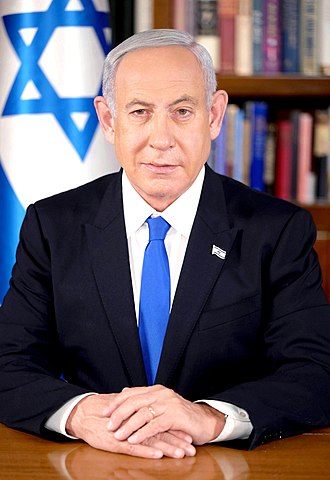
The agreement was signed in the White House by leaders Benjamin Netanyahu and Yasser Arafat. U.S. President Bill Clinton helped lead the talks. On November 17, 1998, Israel’s parliament, called the Knesset, voted to approve the memorandum.
Even though the agreement was signed, it faced many challenges. Both sides accused each other of not doing what they promised. Some parts of the agreement were not fully carried out, making it difficult to finish the process.
Summit
The summit happened at the Aspen Institute Wye River Conference Centers near Wye Mills, Maryland. Bill Clinton, the President of the United States, started the meeting on October 15 and came back many times to help Benjamin Netanyahu and Yasser Arafat finish the agreement. He even asked King Hussein to help because he had helped before.
Finally, the two leaders signed the agreement at the White House with President Clinton watching. He was very important in making sure everything went well.
Background
To help carry out the Oslo II Accord and allow Israel to pull its forces back from some parts of the West Bank, Israel and the Palestinian Authorities signed several agreements and protocols. These documents explained the duties each side needed to do, such as moving troops and keeping the area safe.
In 1994, they signed an agreement called the "Agreement on Preparatory Transfer of Powers and Responsibilities Between Israel and the PLO." In 1995, another called the "Protocol on Further Transfer of Powers and Responsibilities" was added. Then in 1997, the Hebron Protocol was signed, which dealt with moving forces out of most of Hebron and splitting the city into two parts.
Redeployments
Further information: West Bank Areas in the Oslo II Accord
The Wye River Memorandum talked about three steps for moving soldiers from certain areas in the West Bank. Only the first two steps were described clearly. The third step was to be decided later by a special group.
The first two steps involved giving 13% of Area C to the Palestinians and moving some parts of Area B to Area A. This was split into three time periods:
- Stage 1 (November 1998): 2% from Area C to B; 7.1% from B to A
- Stage 2 (December 1998): 5% from Area C to B
- Stage 3 (January 1999): 5% from Area C to B; 1% from C to A; 7.1% from B to A
If this plan had been followed, Area C would have become smaller, while Areas B and A would have grown. However, some land would be set aside as nature reserves under Israeli control.
Security
The Wye River Memorandum included important agreements to keep both sides safe. Both Israel and the Palestinian Authority promised to stop any acts of violence or crime against each other. They also agreed to work together with the United States to catch people who plan such acts and to stop any groups trying to cause harm.
The Memorandum talked about many safety steps. The Palestinian side promised to stop any groups that use violence and to make sure no one brings in or uses illegal weapons. They also agreed to stop any messages that encourage violence. Both sides would work together closely, sharing information and helping each other to solve problems. They also talked about how to help each other with police work and legal matters, making sure everyone follows the rules and respects each other's rights.
Economic issues
The Israeli and Palestinian sides promised to work better together and help each other grow their economies in the West Bank and Gaza Strip. They agreed to open the Gaza Industrial Estate on time and to talk more about safe travel between areas.
They also said how important the Port of Gaza is for trade and growth. Both sides agreed to talk about solving legal problems and to have discussions about improving their economies with help from other countries.
Permanent status negotiations
The two sides agreed to restart talks about their long-term future right away and worked hard to reach a full agreement by 4 May 1999. They hoped to finish these important discussions as soon as possible.
Unilateral actions
To help create a good atmosphere for the talks, both sides agreed not to do anything that would change the status of the West Bank and the Gaza Strip, following the rules of the Interim Agreement. This meant neither side would take steps that could affect the area during the negotiations.
Political impact in Israel
The Wye agreement was popular in Israel, with many people supporting it. However, Prime Minister Netanyahu faced challenges within his party and delayed approval of the agreement. He stopped implementing the agreement after some disagreements between Palestinian protesters and Israeli soldiers. This led to a vote of no confidence against his government, which resulted in general elections in May 1999. Ehud Barak won the elections and promised to continue working towards peace between Israelis and Palestinians.
Main article: Likud
Main articles: national unity government · Ehud Barak
Further information: vote of no confidence · general elections in May 1999
Related articles




This article is a child-friendly adaptation of the Wikipedia article on Wye River Memorandum, available under CC BY-SA 4.0.
Images from Wikimedia Commons. Tap any image to view credits and license.