
Phylogenetics
What is Phylogenetics?
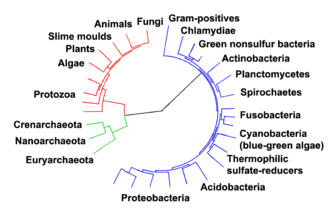
Phylogenetics is the study of how living things are related. Scientists look at things like DNA, proteins, and physical features to see how animals, plants, and even fungi are connected. They use this information to draw diagrams called phylogenetic trees. These trees show how different species might have come from common ancestors long ago.
How Do Scientists Make These Trees?
Scientists use special computer programs to learn how different plants and animals are related. They study the code inside cells and the shapes of bodies. These programs help find which creatures share a common ancestor. Before 1950, scientists would guess how animals might be related, but now they have better ways to check their ideas. Today, they use DNA and other data to build family trees that show how all living things are connected.
Why is Phylogenetics Important?
Phylogenetics helps us learn about biodiversity, evolution, and how species live together. It is also used in research to see how things like tumors change. In drug discovery, it helps find useful traits in different species, like compounds in animal venoms that can become medicines. Phylogenetics is even used in forensic science to study DNA and understand how diseases spread.
A Brief History
People have studied how living things are related for a very long time. In the 1300s, a principle said we should look for the simplest answers. In 1763, a way to measure how likely something is happened. In 1809, a French scientist talked about how species change over time. In 1837, Charles Darwin drew the first tree showing how species might be related. Many other scientists added new ideas and methods over the years to help us understand and show these relationships better.
Fun Facts
- Phylogenetics helps us understand the history of life on Earth.
- Scientists use DNA and other data to build family trees of living things.
- It is used in many fields, from medicine to studying how diseases spread.
Pictures
Keep exploring


This article is a child-friendly adaptation of the Wikipedia article on Phylogenetics, available under CC BY-SA 4.0.
Images from Wikimedia Commons. Tap any image to view credits and license.