 Safekipedia
Kingdom of Great Britain
Adapted from Wikipedia · Adventurer experience
The Kingdom of Great Britain was a country in Western Europe from 1707 to 1800. It was made when the Kingdom of England (which included Wales) and the Kingdom of Scotland joined together. This happened because of the Treaty of Union in 1706 and the Acts of Union 1707.
Before this, the two kingdoms shared the same king since 1603. That king was James VI of Scotland, who also became King of England and King of Ireland. When Queen Anne ruled from 1702 to 1714, there was worry about who would be the next king or queen.
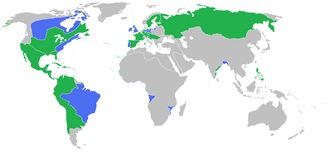
During the time of the Kingdom of Great Britain, there were some problems, like the Jacobite risings. The kings from the House of Hanover helped make Parliament stronger and created the job of prime minister. This was also when the British Empire grew. Great Britain became very powerful, especially after the Seven Years' War. They expanded into places like India, Canada, and Australia.
Finally, in 1801, Great Britain joined with the Kingdom of Ireland to become the United Kingdom of Great Britain and Ireland. This happened under George III.
Etymology
Further information: Britain (place name)
The name "Britain" comes from old words that Romans and others used for the island. It changed over time in different languages.
The word "Great" was added because of French. There is a place called Brittany that sounds similar. In French, they called Britain “la Grande Bretagne” to tell the two apart. When English speakers began using the name, they also added “Great” to keep it clear.
Political structure
Further information: Parliament of Great Britain and History of monarchy in the United Kingdom
Before 1707, England and Scotland were two different countries. Each had its own parliament and laws. They shared the same king or queen since 1603, when James VI of Scotland became king of England as James I. In 1707, the Acts of Union joined England and Scotland into one country called the Kingdom of Great Britain. This new country had one parliament, called the Parliament of Great Britain. This parliament replaced both the English and Scottish parliaments.
The Parliament of Great Britain had three parts: the House of Commons, the House of Lords, and the king or queen (the Crown). Even though Scotland no longer had its own parliament, it kept its own laws, courts, schools, and churches. Scotland's universities kept playing an important role in learning and ideas.
Kingdom of Great Britain
The Kingdom of Great Britain was a country in Western Europe from 1707 until the end of 1800. It was formed when the Kingdom of England (which included Wales) and the Kingdom of Scotland joined together under one government. Even though they shared the same ruler and parliament, England and Scotland kept their own laws, schools, and churches.
Parliament of Great Britain
Main articles: Parliament of Great Britain and Elections in Great Britain
When the Kingdom of Great Britain was formed, the old parliaments of England and Scotland came together to create a new parliament in London. This new parliament had two main parts: the House of Lords, made up of important leaders and church figures, and the House of Commons, chosen by people to represent their areas. This new way of governing brought the two countries together under one rule while keeping some of their own traditions.
Monarchs
Further information: History of the monarchy of the United Kingdom
The Kingdom of Great Britain had many important rulers. Queen Anne, from the House of Stuart, was the first. After her, the rulers were from the House of Hanover: George I, George II, and George III. George III ruled until 1800 and stayed king when the kingdom became the United Kingdom.
The monarchs were:
- Anne, Queen of Great Britain (1707–1714)
- George I of Great Britain (1714–1727)
- George II of Great Britain (1727–1760)
- George III of Great Britain (1760–1800)
Images
Related articles



This article is a child-friendly adaptation of the Wikipedia article on Kingdom of Great Britain, available under CC BY-SA 4.0.
Images from Wikimedia Commons. Tap any image to view credits and license.