 Safekipedia
Year of Africa
Adapted from Wikipedia · Adventurer experience
The Year of Africa happened in 1960 and was a very important time for many countries in Africa. During this year, seventeen African nations gained their independence. This means they became free from the control of other countries.
These changes happened because many people in Africa had been working hard to be free. When they became independent, it gave hope for a better future.
Among the countries that became independent, fourteen were from France, two were from the United Kingdom, and one was from Belgium. This year helped shape the future of Africa and its place in global affairs.
Origin
In January, O. H. Morris from the British Ministry of Colonies said that 1960 would be a special year for Africa. On February 16, 1960, Ralph Bunche also used the phrase "Year of Africa," expecting many African countries to become independent that year. He noticed how quickly people across Africa were standing up for their freedom.
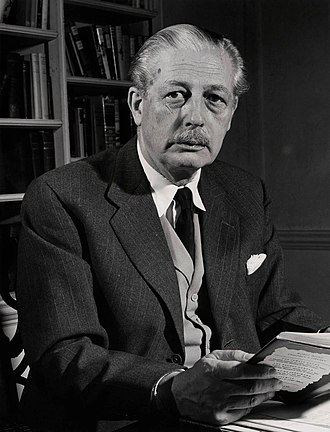
The idea of a "Year of Africa" became well-known after Harold Macmillan gave a speech in Cape Town on February 3, 1960. He spoke about how it would be hard for countries to keep controlling their colonies, showing that the British Empire was ending. This speech excited many Africans, who felt strongly about ending colonialism.
Independence
For details on African independence movements, see Decolonization of Africa.
In 1960, many African countries became free. The number of independent nations grew from nine to twenty-six, with seventeen new countries joining. Most of these were former colonies of France, Britain, and Belgium.
France let many of its colonies choose to become independent. Almost all chose to leave, faster than France expected. Countries such as Cameroon, Togo, Mali, Senegal, Madagascar, Benin, Niger, Burkina Faso, Ivory Coast, Chad, Central African Republic, Republic of the Congo, Gabon, and Mauritania all became independent that year.
From the British Empire, Somalia and Nigeria gained independence. Somalia formed by joining two areas, while Nigeria became independent on October 1.
Belgium let the Republic of the Congo become independent on June 30. Patrice Lumumba became its leader. The country faced difficult times after that.
These new nations created their own governments. They worked together as a group of African nations.
South Africa
On March 21, 1960, a sad event happened in South Africa called the Sharpeville massacre. Many people stood together to oppose unfair rules that separated different groups of people. This event helped people around the world see the unfairness many faced in South Africa.
Later, on October 5, South Africa decided to leave a group of countries called the Commonwealth of Nations. This happened because of disagreements over how people were treated there.
United Nations
In October, Ghana's president Kwame Nkrumah spoke at the United Nations. He talked about Africa's new strength. He said that Africa wanted freedom from past rulers but did not want revenge.
On December 14, 1960, the United Nations General Assembly approved a statement. The statement said that all peoples have the right to decide their own future. The statement passed with no votes against. Some countries, including the United States, chose not to vote for it.
Related events
The Second All-African Peoples' Conference took place from 25 to 31 January. It asked for Africa to be fully independent and to start an African bank.
At the 1960 Summer Olympics in Rome, Ethiopian runner Abebe Bikila won the marathon. He was the first Black African to win an Olympic gold medal. This made many African people feel proud and brought more attention to Africa around the world.
Implications and legacy
The Year of Africa changed how people saw Africans, showing that African nations were important. It started a new time for learning about Africa, with new journals like the Cahiers d'Études africaines and the Journal of African History.
This year also helped African Americans in their fight for equal rights in the United States. The Baltimore Afro-American newspaper thought that changes in Africa could help end unfair rules in America. The events of 1960 helped connect African Americans more closely with the fight against unfair treatment based on race.
The name "Year of Africa" was remembered again in 2005 when world leaders met at the 31st G8 summit, and in 2010 when many African countries celebrated 50 years of freedom.
Related articles




This article is a child-friendly adaptation of the Wikipedia article on Year of Africa, available under CC BY-SA 4.0.
Images from Wikimedia Commons. Tap any image to view credits and license.