 Safekipedia
Sukhothai script
Adapted from Wikipedia · Discoverer experience
The Sukhothai script is an old way of writing that began in the Sukhothai Kingdom. It is also called the proto-Thai script and the Ram Khamhaeng alphabet. This special script was used to write important messages many years ago. One famous example of it can be seen on the Ram Khamhaeng Inscription, and it is also found on another important writing called the Lö Thai inscription. The Sukhothai script is a type of Brahmic script, which means it is related to other writing systems used in parts of Asia.
History
The Sukhothai script came from a more relaxed, flowing style of the Khmer script. Experts think it was created around the late 1200s by King Ramkhamhaeng the Great. It was first seen on an important stone writing called the Ram Khamhaeng stele.
From Sukhothai, this writing style spread to nearby areas like Lan Chang, Lan Na, and Ayutthaya. Over time, it changed a little but stayed very similar. In the south, it became the modern Thai script. In the north, it turned into the Fakkham script, which had longer, pointier letters.
Characteristics
The Sukhothai script was written from left to right. It did not use spaces between words, capital letters, or punctuation marks at the end of sentences. This script included 39 symbols for consonant sounds.
The Sukhothai script made some new changes compared to the Khmer script it came from. It added new letters to represent sounds that the Khmer script did not have. These new letters were created by changing the shapes of existing letters. One big change was that the Sukhothai script was the first in the world to use special marks to show different tones in words. It also allowed consonant sounds to be written together on the same line instead of stacking them.
Consonants
Digraphs
Numerals
Below are the numerals of the Sukhothai script, which are thought to have come from the Khmer numerals.
Vowels
The script wrote marks for vowel sounds on the same line, but this way of doing things did not last long. By the fifteenth century, new signs for vowels were added to the script. Vowels that were once assumed to be part of the consonant symbols were later written with their own special signs.
Diacritics
| Consonants | |||||||
|---|---|---|---|---|---|---|---|
ก [k] | ข [kʰ] | ฃ [x] | ค [g] | ฅ [ɣ] | ฆ [g] | ง [ŋ] | |
จ [tɕ] | ฉ [tɕʰ] | ช [dʑ] | ซ [z~ʑ] | ฌ [tɕʰ] does not exist | ญ [ɲ] | ||
ฎ [ʔd] | ฏ [t] | ฐ [tʰ] | ฑ [d] does not exist | ฒ [tʰ] does not exist | ณ [n] | ||
ด [ʔd] | ต [t] | ถ [tʰ] | ท [d] | ธ [d] | น [n] | ||
บ [ʔb] | ป [p] | ผ [pʰ] | ฝ [f] | พ [b] | ฟ [v] | ภ [b] | ม [m] |
ย [j] | ร [r] | ล [l] | ว [w] | ศ [s] | ษ [s] | ส [s] | ห [h] |
| ฬ [l] does not exist | อ [ʔ] | ฮ [h] does not exist | |||||
| Digraphs | |||
|---|---|---|---|
หง [ŋ̊]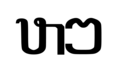 | หญ [ɲ̊]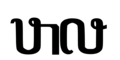 | หน [n̥] | หม [m̥] |
หย [j̊] | หร [r̥] | หล [l̥]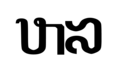 | หว [w̥] |
อย [ʔj] | |||
| Numbers | ||||
|---|---|---|---|---|
๐  0 | ๑  1 | ๒ 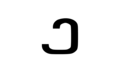 2 | ๓  3 | ๔ 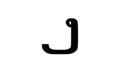 4 |
๕  5 | ๖  6 | ๗ 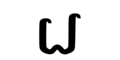 7 | ๘  8 | ๙ 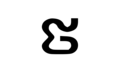 9 |
| Independent Vowel | |||
|---|---|---|---|
| Independent Vowel | IPA | Modern Equivalent | Sample Syllable |
| sara i สระอิ | [i] | อิ | อิก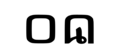 |
| sara ee (i) สระอี | [iː] | อี | อีก |
| sara eu (ue) สระอึ/สระอือ | [ɯ(ː)] | อึ, อือ | อืก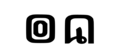 |
| Dependent Vowel | ||||
|---|---|---|---|---|
| Dependent Vowel | IPA | Modern Equivalent Example | Sample Open Syllable | Sample Closed Syllable |
| sara a สระอะ | [a] | กะ |  กะ กะ |  กัน กัน |
| sara ah (a) สระอา | [aː] | กา | 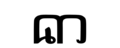 กา กา |  กาน กาน |
| sara i สระอิ | [i] | กิ |  กิ กิ |  กิน กิน |
| sara ee (i) สระอี | [iː] | กี |  กี กี |  กีน กีน |
| sara eu (ue) สระอึ/สระอือ | [ɯ(ː)] | กึ, กือ |  กือ กือ | 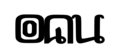 กืน กืน |
| sara u สระอุ | [u] | กุ | 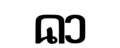 กุ กุ | 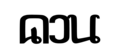 กุน กุน |
| sara oo (u) สระอู | [uː] | กู |  กู กู | 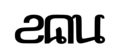 กูน กูน |
| sara e สระเอะ/สระเอ | [e(ː)] | เกะ, เก | 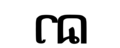 เก เก |  เกน เกน |
| sara aeh (ae) สระแอะ | [ɛ] | แกะ |  แกะ แกะ | |
| sara ae สระแอ | [ɛː] | แก | 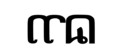 แก แก | 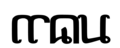 แกน แกน |
| sara o สระโอะ/สระโอ | [o(ː)] | โกะ, โก |  โก โก | 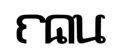 โกน โกน |
| sara ai สระไอ | [aj] | ไก | 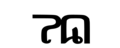 ไก ไก | |
| sara aeu (aue) สระใอ | [aɯ] | ใก |  ใก ใก | |
| sara aw (o) สระออ | [ɔː] | กอ |  กอ กอ | 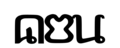 กอน กอน |
| sara oe สระเออ | [ɤː] | เกอ | 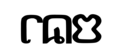 เกอ เกอ |  เกิน เกิน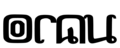 |
| sara ia สระเอีย | [ia] | เกีย | 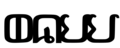 เกืย เกืย |  เกืยน เกืยน |
| sara eua (uea) สระเอือ | [ɯa] | เกือ |  เกือ เกือ | 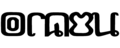 เกือน เกือน |
| sara ua สระอัว | [ua] | กัว | 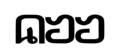 กัว กัว |  กวน กวน |
| sara am สระอำ | [am] | กำ | 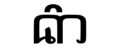 กำ กำ | |
| Diacritics | Function | Modern Equivalent | Example |
|---|---|---|---|
 | denotes the start of a text | ๏ | ๏ กูกำ |
 | denotes the croaky tone | ่ |   |
 | denotes the breathy tone | ้ |  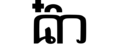 |
Sample Text
ma˩ : low tone
ma : mid tone
ma˥ : high tone
| Sukhothai Script | Modern Thai Transcribed | IPA Sukhothai | Meaning |
|---|---|---|---|
| พ่กูชื่สรีอีนทราทีตยแม่กูชื่นางเสือง พี่กูชื่บานเมืองตูพี่น้องท้องดยว ห้าคนผู้ชายสามผู้ญิงโสงพี่เผือ ผู้อ้ายตายจากเผือตยมแฏ่ญงงเลก | bɔː˩ kuː dʑɯː˩ siː.ʔiːn.draː.diːt mɛː˩ kuː dʑɯː˩ naːŋ sɯaŋ biː˩ kuː dʑɯː˩ baːn.mɯaŋ tuː biː˩ nɔːŋ˥ dɔːŋ˥ ʔdiaw haː˥ gɔn pʰuː˥.dʑaːj saːm pʰuː˥.ɲiŋ soːŋ biː˩ pʰɯa pʰuː˥.ʔaːj˥ taːj tɕaːk pʰɯa tiam tɛː˩ ɲaŋ lek | My father's name is Sri Indraditya, My mother's name is lady Sueang. My older brother's name is Ban Mueang. We are five siblings from the same womb. three boys and two girls. Our eldest brother passed away. when we were young.... [text continues] | |
| Modern Thai Approximate Pronunciation and Transliteration | |||
| บ่อ กู จื่อ ซีอีนดราดีต แหม่ กู จื่อ นางเซือง บี่ กู จื่อ บานเมือง ตู บี่ น่อง ด้อง เดียว ห้า กอน ผู้จาย ซาม ผู้ญิง โซง บี่ เบือ ผู้อ้าย ตาย จาก เพือ เตียม แต่ ญัง เล็ก bo ku jue Si-Indradit mae ku jue Nang Sueang bi ku jue Ban Mueang tu bi nong dong diao ha gon phujai sam phunying song bi phuea phu-ai tai chak phuea tiam tae nyang lek | |||
Images
Related articles


This article is a child-friendly adaptation of the Wikipedia article on Sukhothai script, available under CC BY-SA 4.0.
Images from Wikimedia Commons. Tap any image to view credits and license.