 Safekipedia
2012 Summer Olympics
Adapted from Wikipedia · Adventurer experience
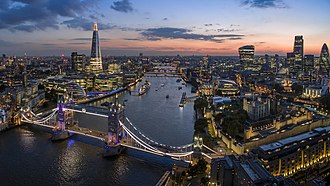
The 2012 Summer Olympics, officially called the Games of the XXX Olympiad and known as London 2012, were a big international sports event held in London, England, from July 27 to August 12, 2012. Some events took place in other parts of the United Kingdom. Over 10,000 athletes from many countries competed in different sports.
London was chosen to host the Olympics in 2005, beating cities like Moscow, New York City, Madrid, and Paris. This was London's third time hosting the Summer Olympics. A large new area called Olympic Park was built for the Games.
The United States won the most medals, followed by China and Great Britain. Famous swimmer Michael Phelps from the United States won many medals, making him the most decorated athlete ever. For the first time, women from Saudi Arabia, Qatar, and Brunei competed in the Olympics, and women’s boxing was introduced. The opening ceremony, led by Danny Boyle, was very popular.
Bidding process
Main article: Bids for the 2012 Summer Olympics
London was chosen to host the 2012 Summer Olympics for Great Britain. Many cities around the world wanted to host the games. By 2003, nine cities had submitted their bids to the International Olympic Committee. After review, the number of cities was reduced to five: London, Madrid, Moscow, New York City, and Paris.
In 2005, London was chosen over Paris to host the games. This was a big moment for the city.
| City | Country | Round | |||
|---|---|---|---|---|---|
| 1 | 2 | 3 | 4 | ||
| London |  Great Britain Great Britain | 22 | 27 | 39 | 54 |
| Paris |  France France | 21 | 25 | 33 | 50 |
| Madrid |  Spain Spain | 20 | 32 | 31 | — |
| New York City |  United States United States | 19 | 16 | — | — |
| Moscow |  Russia Russia | 15 | — | — | — |
| Total ballots | 97 | 100 | 103 | 104 | |
Development and preparations
Main article: 2012 Summer Olympic development
The London Organising Committee of the Olympic Games (LOCOG) was created to manage the Games. The committee, led by Lord Coe, was responsible for organizing the Games. The Olympic Delivery Authority (ODA) handled building the venues and infrastructure.
The Government Olympic Executive (GOE), a part of the Department for Culture, Media and Sport (DCMS), was the main government group for the London 2012 Olympics. It focused on overseeing the Games and planning for the London 2012 Olympic Legacy.
Venues
Main article: Venues of the 2012 Summer Olympics and Paralympics
The Games used a mix of new venues, existing places, and temporary setups, some in famous spots like Hyde Park and Horse Guards Parade. After the Games, some venues were reused, while others were changed in size or moved.
Most venues were in three zones in Greater London. A few venues were outside Greater London, such as the Weymouth and Portland National Sailing Academy about 125 miles southwest of London. Work on the Park began in December 2006.
In November 2004, plans for the Olympic Park were shown. Building the Olympic Park required taking over property. Residents who did not want to leave tried to stop it, but they had to go as the land was bought and a project to renew the area began.
There were issues with some of the original venues. The Olympic road races and the mountain bike event were set in new places. The Olympic marathon course was moved to The Mall. North Greenwich Arena 2 was canceled, and Wembley Arena was used for badminton and rhythmic gymnastics instead.
Test events were held in 2011 and 2012.
Public transport
The IOC's first review thought that, if transport improvements were done in time, London could handle it. Transport for London (TfL) made many improvements for 2012, including expanding the London Overground's East London Line, updating the Docklands Light Railway and the North London Line, and starting a new "Javelin" high-speed train service. During the Games, Stratford International station had no international trains, and Pudding Mill Lane DLR station closed completely.
TfL also built a cable car across the River Thames, called the Emirates Air Line, to connect 2012 Olympic venues. It opened in June 2012.
The plan was for athletes to travel less than 20 minutes to their event. LOCOG planned for venues to be served by three or more types of public transport. TfL made a network of roads connecting venues, called the Olympic Route Network.
Cost and financing
A study found that the sports-related costs of London 2012 were US$15 billion. The costs of staging the Games were separate from those for building the venues and infrastructure.
The original budget for the Games was raised to about £9.3 billion (US$15.28 billion) in 2007. The breakdown was:
- Building the venues and infrastructure – £5.3 billion
- Elite sport and Paralympic funding – £400 million
- Security and policing – £600 million
- Renewal of the Lower Lea Valley – £1.7 billion
- Contingency fund – £2.7 billion
Volunteers
Volunteers known as Games Makers did many tasks before and during the Games. A goal of 70,000 volunteers was set. When hiring began in 2010, over 240,000 applications were received. Volunteers wore clothes that included purple and red polo shirts and jackets.
Ticketing
Organisers thought that about 8 million tickets would be available for the Olympic Games, and 1.5 million tickets for the Paralympic Games. LOCOG wanted to make £375–£400 million from ticket sales. There were also free events like marathons, triathlons and road cycling. In the end, over 7,000,000 tickets were sold. Following IOC rules, people applied for tickets from the NOC of their country of residence.
In Great Britain, ticket prices ranged from £20 for many events to £2,012 for the most expensive seats at the opening ceremony. Some free tickets were given to military personnel and to survivors and families of those who died in the 7 July 2005 London bombings.
Countdown
During the closing ceremony of the 2008 Olympics, the Olympic Flag was officially passed from the Mayor of Beijing to the Mayor of London. This was followed by a part showing London. A countdown clock in Trafalgar Square was shown, 500 days before the Games.
Security
Main article: Security for the 2012 Summer Olympics
See also: Controversies surrounding G4S
The police led the security operation, with 10,000 officers available, helped by 13,500 members of the British Armed Forces. The cost of security went from £282 million to £553 million.
Medals
About 4,700 Olympic and Paralympic medals were made by the Royal Mint at Llantrisant. They were designed by David Watkins (Olympics) and Lin Cheung (Paralympics). Each medal weighs 375–400 g (13.2–14.1 oz), has a diameter of 85 mm (3.3 in) and is 7 mm (0.28 in) thick. The front shows Nike, the Greek goddess of victory, stepping from the Panathinaiko Stadium that hosted the first modern Olympic Games in 1896.
Torch relay
The Olympics torch relay ran from 19 May to 27 July 2012, before the Games. The torch was designed by Edward Barber and Jay Osgerby.
On 18 May 2012 the Olympic flame arrived at RNAS Culdrose in Cornwall from Greece. The relay lasted 70 days, and involved some 8,000 people carrying the torch about 8,000 mi (12,875 km), starting from Land's End in Cornwall. The torch had three days outside the United Kingdom when it visited the Isle of Man on 2 June, Dublin in Ireland, on 6 June, and both Guernsey and Jersey on 15 July.
Environmental policy
The Olympic Park was planned to include wildlife habitat, with bird boxes and bat boxes. Renewable energy also played a part at the Olympics. Ideas to meet the target included solar panels on some buildings. Where it could not be reused or recycled, food packaging for use at the Olympics was made from compostable materials.
After the Games, buildings like the Water Polo Arena were moved elsewhere. Building parts like roofing covers and membranes of different temporary venues were recycled.
Cultural Olympiad
Main article: 2012 Cultural Olympiad
The Olympic Charter says that
LOCOG shall organise a programme of cultural events which must cover at least the entire period during which the Olympic Village is open.
The Cultural Olympiad included many programs, with more than 500 events over four years across the whole of the United Kingdom, leading up to the London 2012 Festival.
Opening ceremony
Named "The Isles of Wonder", the opening ceremony began at 21:00 British Summer Time (UTC+1) on 27 July in the Olympic Stadium. The Academy Award–winning director Danny Boyle was artistic director and Rick Smith of Underworld was musical director. The opening ceremony was right away seen as a huge success.
The Games were officially started by Queen Elizabeth II, helped by Prince Philip, Duke of Edinburgh. The ceremony had a short funny film with Daniel Craig as the secret agent James Bond and the Queen as herself. There was also a musical comedy part with Rowan Atkinson as Mr. Bean playing along with the London Symphony Orchestra.
Live music performers included Frank Turner, Dame Evelyn Glennie, Mike Oldfield, Dizzee Rascal, Arctic Monkeys and Sir Paul McCartney who played "Hey Jude" as the last act. The ceremony had a top viewing audience of over 27 million in the UK.
Closing ceremony
The closing ceremony was held on 12 August. The ceremony also included handing over the Olympic flag by Boris Johnson, Mayor of London, to Eduardo Paes, Mayor of Rio de Janeiro, the host city of the 2016 Summer Olympics. In his closing talk, Jacques Rogge called the Games "happy and glorious".
The Games
Sports
The 2012 Summer Olympics had 26 sports with 39 areas of competition and 302 events where medals were awarded.
For the first time, women’s boxing was part of the Olympics. Tennis included mixed doubles again after a long break.
Baseball and softball were not included in these games. Several other sports like karate, squash, golf, roller sports, and rugby sevens were considered to replace them, but none were chosen.
Calendar
The official schedule for the games was released on February 15, 2011. All times and dates used British Summer Time (UTC+1).
Records
Main article: World and Olympic records set at the 2012 Summer Olympics
These games saw world records broken across several sports. Swimming had the most records broken. China, Great Britain, and the United States each set records.
| 2012 Summer Olympics Sports Programme | ||||
|---|---|---|---|---|
| OC | Opening ceremony | ● | Event competitions | 1 | Gold medal events | CC | Closing ceremony |
| July/August 2012 | July | August | Events | ||||||||||||||||||
|---|---|---|---|---|---|---|---|---|---|---|---|---|---|---|---|---|---|---|---|---|---|
| 27th Fri | 28th Sat | 29th Sun | 30th Mon | 31st Tue | 1st Wed | 2nd Thu | 3rd Fri | 4th Sat | 5th Sun | 6th Mon | 7th Tue | 8th Wed | 9th Thu | 10th Fri | 11th Sat | 12th Sun | |||||
 Ceremonies Ceremonies | OC | CC | —N/a | ||||||||||||||||||
| Aquatics |  Diving Diving | 1 | 1 | 1 | 1 | ● | ● | 1 | ● | 1 | ● | 1 | ● | 1 | 46 | ||||||
 Marathon swimming Marathon swimming | 1 | 1 | |||||||||||||||||||
 Swimming Swimming | 4 | 4 | 4 | 4 | 4 | 4 | 4 | 4 | |||||||||||||
 Synchronized swimming Synchronized swimming | ● | ● | 1 | ● | 1 | ||||||||||||||||
 Water polo Water polo | ● | ● | ● | ● | ● | ● | ● | ● | ● | ● | ● | 1 | ● | 1 | |||||||
 Archery Archery | ● | 1 | 1 | ● | ● | ● | 1 | 1 | 4 | ||||||||||||
 Athletics Athletics | 2 | 6 | 6 | 5 | 4 | 4 | 5 | 6 | 8 | 1 | 47 | ||||||||||
 Badminton Badminton | ● | ● | ● | ● | ● | ● | 1 | 2 | 2 | 5 | |||||||||||
 Basketball Basketball | ● | ● | ● | ● | ● | ● | ● | ● | ● | ● | ● | ● | ● | ● | 1 | 1 | 2 | ||||
 Boxing Boxing | ● | ● | ● | ● | ● | ● | ● | ● | ● | ● | ● | ● | 3 | ● | 5 | 5 | 13 | ||||
| Canoeing |  Slalom Slalom | ● | ● | 1 | 1 | 2 | 16 | ||||||||||||||
 Sprint Sprint | ● | ● | 4 | 4 | ● | 4 | |||||||||||||||
| Cycling |  Road cycling Road cycling | 1 | 1 | 2 | 18 | ||||||||||||||||
 Track cycling Track cycling | 2 | 2 | 1 | 1 | 1 | 3 | |||||||||||||||
 BMX BMX | ● | ● | 2 | ||||||||||||||||||
 Mountain biking Mountain biking | 1 | 1 | |||||||||||||||||||
 Equestrian Equestrian | ● | ● | ● | 2 | ● | ● | ● | ● | 1 | 1 | 1 | 1 | 6 | ||||||||
 Fencing Fencing | 1 | 1 | 1 | 1 | 2 | 1 | 1 | 1 | 1 | 10 | |||||||||||
 Field hockey Field hockey | ● | ● | ● | ● | ● | ● | ● | ● | ● | ● | ● | ● | 1 | 1 | 2 | ||||||
 Football Football | ● | ● | ● | ● | ● | ● | ● | ● | 1 | ● | 1 | 2 | |||||||||
| Gymnastics |  Artistic Artistic | ● | ● | 1 | 1 | 1 | 1 | 3 | 3 | 4 | 18 | ||||||||||
 Rhythmic Rhythmic | ● | ● | 1 | 1 | |||||||||||||||||
 Trampolining Trampolining | 1 | 1 | |||||||||||||||||||
 Handball Handball | ● | ● | ● | ● | ● | ● | ● | ● | ● | ● | ● | ● | ● | ● | 1 | 1 | 2 | ||||
 Judo Judo | 2 | 2 | 2 | 2 | 2 | 2 | 2 | 14 | |||||||||||||
 Modern pentathlon Modern pentathlon | 1 | 1 | 2 | ||||||||||||||||||
 Rowing Rowing | ● | ● | ● | ● | 3 | 3 | 4 | 4 | 14 | ||||||||||||
 Sailing Sailing | ● | ● | ● | ● | ● | ● | ● | 2 | 2 | 2 | 1 | 2 | 1 | 10 | |||||||
 Shooting Shooting | 2 | 2 | 1 | 1 | 1 | 1 | 2 | 2 | 1 | 2 | 15 | ||||||||||
 Table tennis Table tennis | ● | ● | ● | ● | 1 | 1 | ● | ● | ● | ● | 1 | 1 | 4 | ||||||||
 Taekwondo Taekwondo | 2 | 2 | 2 | 2 | 8 | ||||||||||||||||
 Tennis Tennis | ● | ● | ● | ● | ● | ● | ● | 2 | 3 | 5 | |||||||||||
 Triathlon Triathlon | 1 | 1 | 2 | ||||||||||||||||||
| Volleyball |  Beach volleyball Beach volleyball | ● | ● | ● | ● | ● | ● | ● | ● | ● | ● | ● | 1 | 1 | 4 | ||||||
 Indoor volleyball Indoor volleyball | ● | ● | ● | ● | ● | ● | ● | ● | ● | ● | ● | ● | ● | ● | 1 | 1 | |||||
 Weightlifting Weightlifting | 1 | 2 | 2 | 2 | 2 | 2 | 1 | 1 | 1 | 1 | 15 | ||||||||||
 Wrestling Wrestling | 2 | 3 | 2 | 2 | 2 | 2 | 3 | 2 | 18 | ||||||||||||
| Daily medal events | 12 | 14 | 12 | 15 | 20 | 18 | 22 | 25 | 23 | 18 | 21 | 16 | 22 | 17 | 32 | 15 | 302 | ||||
| Cumulative total | 12 | 26 | 38 | 53 | 73 | 91 | 113 | 138 | 161 | 179 | 200 | 216 | 238 | 255 | 287 | 302 | |||||
| July/August 2012 | 27th Fri | 28th Sat | 29th Sun | 30th Mon | 31st Tue | 1st Wed | 2nd Thu | 3rd Fri | 4th Sat | 5th Sun | 6th Mon | 7th Tue | 8th Wed | 9th Thu | 10th Fri | 11th Sat | 12th Sun | Total events | |||
| July | August | ||||||||||||||||||||
Medal table
Further information: List of 2012 Summer Olympics medal winners
A total of 85 countries won medals at the 2012 Summer Olympics. Fifty-four of these countries won at least one gold medal. Seven countries won their first Olympic medal ever: Bahrain, Botswana, Cyprus, Gabon, Grenada, Guatemala, and Montenegro. The United States finished first, winning 48 gold medals. China came in second, and hosts Great Britain came in third place.
Podium sweeps
| Rank | NOC | Gold | Silver | Bronze | Total |
|---|---|---|---|---|---|
| 1 | United States‡ | 48 | 26 | 31 | 105 |
| 2 |  China‡ China‡ | 39 | 31 | 22 | 92 |
| 3 |  Great Britain*‡ Great Britain*‡ | 29 | 18 | 18 | 65 |
| 4 | Russia‡ | 18 | 20 | 26 | 64 |
| 5 |  South Korea‡ South Korea‡ | 13 | 9 | 9 | 31 |
| 6 |  Germany‡ Germany‡ | 11 | 20 | 13 | 44 |
| 7 | France‡ | 11 | 11 | 13 | 35 |
| 8 |  Australia‡ Australia‡ | 8 | 15 | 12 | 35 |
| 9 |  Italy Italy | 8 | 9 | 11 | 28 |
| 10 |  Hungary‡ Hungary‡ | 8 | 4 | 6 | 18 |
| 11–86 | Remaining NOCs | 110 | 142 | 192 | 444 |
| Totals (86 entries) | 303 | 305 | 353 | 961 | |
| Date | Sport | Event | NOC | Gold | Silver | Bronze |
|---|---|---|---|---|---|---|
| 28 July | Fencing | Women's foil | Italy | Elisa Di Francisca | Arianna Errigo | Valentina Vezzali |
| 9 August | Athletics | Men's 200 metres |  Jamaica Jamaica | Usain Bolt | Yohan Blake | Warren Weir |
| 11 August | Athletics | Women's 20 kilometres walk | China | Qieyang Shenjie | Liu Hong | Lü Xiuzhi |
Broadcasting
Main article: List of 2012 Summer Olympics broadcasters
The main station for showing the 2012 Summer Olympics was Olympic Broadcasting Services, a part of the International Olympic Committee. They filmed the events with their own cameras and teams, then sold the footage to other TV stations around the world. These stations added their own voices and graphics.
The official way to record the Olympics used special digital technology from Panasonic. The videos were made and shared from the International Broadcast Centre in very clear, high-definition quality. In the UK, the BBC showed the Olympics. In the US, NBC had the rights to show the Olympics. In some places, like parts of Asia and Africa, YouTube planned to show the Olympics online where there were no other TV stations.
Marketing
The 2012 Summer Olympics had a special song called "Survival" by the band Muse. Artists made stamps and coins to celebrate the event. The motto was "Inspire a generation," meaning the games wanted to encourage people to join in sports.
There were special logos for the games. One logo showed the number 2012 with the Olympic rings inside the zero. The games had special colors: pink, blue, green, and orange. The official mascots were two animated drops of steel named Wenlock and Mandeville. The movie Chariots of Fire, about athletes from the 1924 Olympics, was shown again in theaters.
Controversies
Main article: Controversies at the 2012 Summer Olympics
Before the Games started, there were some disagreements about sponsors, athletes using social media, and a few political matters. Many people couldn’t get the seats they wanted for events, and some popular events had empty seats early on. Some thought this happened because big sponsors didn’t use all their tickets.
During the Games, eight players in badminton women's doubles were removed because they didn’t try their best. They tried to lose early matches to get better positions later. Some decisions in boxing, gymnastics, and judo were changed after teams asked to review the results.
Drug testing and doping violations
Main article: Use of performance-enhancing drugs in the Olympic Games § 2012 London
Before the 2012 Summer Olympics, athletes were tested for substances that give an unfair advantage. Experts took samples from athletes during the event. Every winner was checked to make sure they played fairly.
Only a few rule breaks were found during the games, but later tests found more issues. Because of this, many athletes lost their medals or were not allowed to keep them. The tests were done by a health company called GSK.
In popular culture
In the film (/wiki/2012_(film)), big earthquakes happen around the world during the same time as the Olympic games. Another movie from 2024 called The Fire Inside shows the games and tells the story of gold medalist Claressa "T-Rex" Shields.
Images
Related articles


This article is a child-friendly adaptation of the Wikipedia article on 2012 Summer Olympics, available under CC BY-SA 4.0.
Images from Wikimedia Commons. Tap any image to view credits and license.