 Safekipedia
Bubonic plague
Adapted from Wikipedia · Adventurer experience
Bubonic plague is a serious disease caused by the bacterium Yersinia pestis. It can start a few days after a person touches the bacteria. Common signs include fever, headaches, vomiting, and swollen and painful lymph nodes.
There are three main types of plague, and bubonic plague is the most common. It is usually spread by infected fleas that live on small animals like rabbits and hares. The bacteria enter through the skin and make the lymph nodes swell. Doctors can diagnose the disease by testing blood, sputum, or fluid from swollen areas.
Treatment with certain antibiotics can help people get better. The plague has been around for hundreds of years and may have caused big diseases in history, such as the Black Death.
Cause
See also: Disease vector
The bubonic plague is an infection of the lymphatic system. It usually starts when a flea bites a person. These fleas live on rats and sometimes bite humans. The bacteria from the flea enter the body and move to the lymph nodes, where they cause illness.
Signs and symptoms
The bubonic plague is spread when a flea that has the Y. pestis bacteria bites a person. The bacteria gather in a part of the body called a lymph node, making it swell and hurt. Symptoms start two to seven days after the bite and can include:
- Chills
- Feeling very unwell (malaise)
- A high fever above 39 °C (102.2 °F)
- Muscle cramps
- Seizures
- A smooth, painful swelling in a lymph gland, called a bubo, usually in the groin but sometimes in the armpits or neck
- Pain in the area before the swelling starts
- Gangrene in parts of the body such as toes, fingers, lips, or the tip of the nose.
The most well-known sign of bubonic plague is one or more swollen, painful lymph nodes called buboes. These buboes can grow bigger and hurt more over time. Other symptoms can include feeling very tired, stomach problems, breathing heavily, coughing, and sore muscles.
Diagnosis
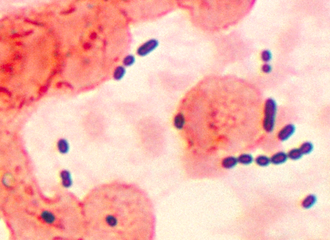
To find out if someone has plague, doctors test samples in a lab. The best way is to grow the bacteria from a small piece of the patient’s fluid. They can also look at special blood samples taken early and later in the sickness. Quick tests help doctors in the field spot the bacteria fast.
Doctors can take samples from swollen lymph nodes, blood, and lungs to check for the bacteria. Swollen lymph nodes are a key sign of bubonic plague, and a tiny amount of fluid can be taken from them. Blood tests look for bacteria in the blood, and lung tests and X-rays help find problems in the lungs.
Prevention
Bubonic plague outbreaks are stopped by controlling pests and using good cleaning methods. The disease spreads through fleas on rats, which can jump to humans. Keeping rat numbers low in crowded city areas is very important.
For example, a machine called the Sulfurozador was used to spread sulphur dioxide to get rid of pests in Buenos Aires, Argentina, long ago. Things like chemoprophylaxis, sanitation, and vector control helped manage a later outbreak in Oran in 2003.
In big European cities, one way to prevent the plague was to keep people and infected rats apart for a while.
Treatment
Several types of antibiotic can help treat bubonic plague. These include aminoglycosides like streptomycin and gentamicin, tetracyclines such as doxycycline, and the fluoroquinolone ciprofloxacin. When treated, the chance of death from bubonic plague is much lower.
If someone thinks they might have the plague, they should get antibiotics right away, within 24 hours of feeling sick, to stay safe. Other ways to help include giving oxygen, fluids through a special tube, and support for breathing. People who have been close to someone with a lung form of plague are also given antibiotics to prevent getting sick. Using streptomycin quickly, within 12 hours of infection, has been very effective in fighting bubonic plague.
Epidemiology
Main article: Epidemiology of plague
Between 2010 and 2015, many people around the world got very sick with an illness called plague. Countries like the Democratic Republic of the Congo, Madagascar, and Peru had the most cases.
In the United States, from 1900 to 2015, about 1,000 people got sick with this illness. Most of these cases happened in places like California, Arizona, and New Mexico. In 2015, a few people in Yosemite National Park got sick.
In 2017, Madagascar had many more cases than before. In 2018, a child in Idaho got the illness for the first time in almost 30 years.
In 2019, two people in Mongolia got sick while hunting, and a few people in China were treated for the illness. In 2020, more cases were reported in China and Mongolia.
History
Yersinia pestis has been found in very old remains from long ago. Scientists have studied how this germ moved across Asia and Europe thousands of years ago. Some people think this germ may have caused big changes in ancient societies.
First pandemic
Main articles: First plague pandemic and Plague of Justinian
The first known big outbreak happened in the years 541 to 549 AD and was called the Plague of Justinian. It started in the Sasanian Empire and quickly spread to the Eastern Roman Empire. Many people got very sick, and many died over many years. The plague moved from city to city along trade routes.
Second pandemic
Main articles: Black Death and Second plague pandemic
In the Late Middle Ages, Europe faced a very bad disease, known as the Black Death. From 1346 to 1352, many people in Europe got sick and died. The disease started in Central Asia and spread to Europe through trade routes. Fleas on rats carried the germ from place to place.
Third pandemic
Main article: Third plague pandemic
The plague appeared again in the mid-1800s, starting in Yunnan, a part of China. It spread to many cities around the world through shipping. In 1894, a big outbreak happened in Hong Kong, and the germ was identified by a scientist named Alexandre Yersin. The disease continued to appear in small groups but became less common over time.
Society and culture
See also: Black Death in medieval culture
Many people died and life changed a lot during plague outbreaks. This has made the plague an important topic in stories and history. The Black Death is often talked about in old writings. Famous writers like Chaucer, Boccaccio, and Petrarch wrote about it. The Decameron, by Boccaccio, is a story about people leaving Florence to escape the Black Death.
Later, books and movies such as Albert Camus’s The Plague and Ingmar Bergman’s The Seventh Seal have used the idea of plague to explore big questions about life and death.
Continued research
Scientists study the plague to learn where it came from and how it spread. They look at old teeth and bones for clues. This helps them understand more about the disease and how it affected people long ago. Studies suggest the plague may have hidden in rat populations for years before spreading again.
Related articles



This article is a child-friendly adaptation of the Wikipedia article on Bubonic plague, available under CC BY-SA 4.0.
Images from Wikimedia Commons. Tap any image to view credits and license.